Expert Apartment Building Cleaning Tips: Mastering Common Areas, Hallways & Beyond
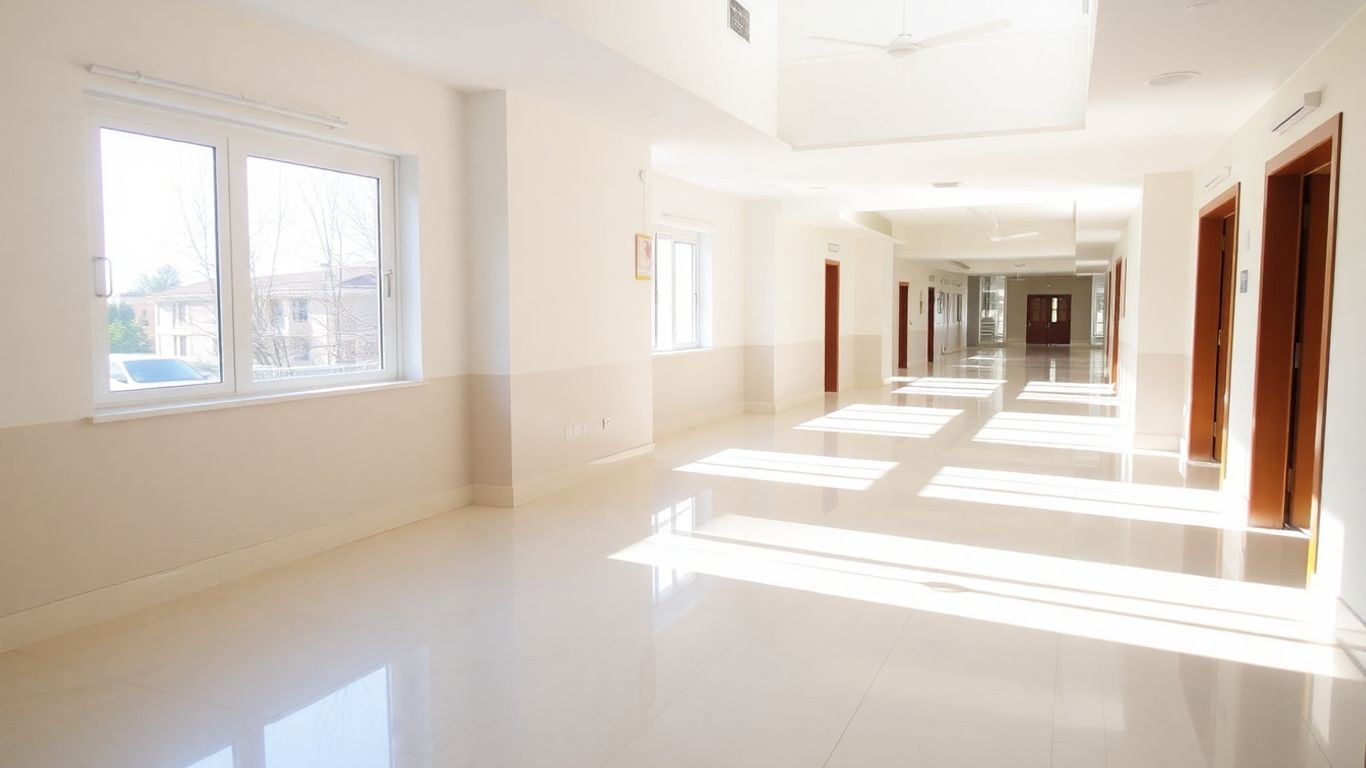
Keeping apartment building common areas clean can be a real chore, right? It's not just about making the place look good; it's about making it feel welcoming and safe for everyone who lives there. From the moment someone walks through the front door to the time they get to their own apartment, those shared spaces matter. This guide, 'Apartment Building Cleaning Tips from the Pros: Common Areas, Hallways, and More,' is here to break down how to tackle those often-overlooked spots. We'll cover everything from gleaming hallways to sparkling lobbies, giving you the know-how to make a big difference.
Key Takeaways
- Focus on high-traffic areas like entrances and hallways first to make a strong first impression.
- Regularly sanitize elevators and stairwells, as these are shared spaces used by all residents.
- A polished lobby and reception area create a welcoming atmosphere for visitors and residents alike.
- Don't forget about the details: clean windows, fixtures, and light fittings contribute to overall cleanliness.
- Proper preparation, including gathering the right supplies and decluttering, makes the cleaning process much more efficient.
Mastering Common Area Cleanliness
Keeping the shared spaces in an apartment building spick and span is more than just about appearances; it's about creating a welcoming, safe, and pleasant environment for everyone who lives there. Think of these areas as the building's handshake – the first impression people get. When they're clean and well-maintained, it shows pride and care, which can make a big difference in how residents feel about their home.
Entrance and Hallway Immaculate Shine
The entrance and hallways are the arteries of your building. They see constant foot traffic, so keeping them looking good is a daily job. We're talking about making sure the floors are free of dirt and scuff marks, the walls are clean, and any mail or clutter is cleared away promptly. A little effort here goes a long way in setting a positive tone.
- Daily Sweep and Mop: High-traffic floor areas need a quick sweep and mop to pick up daily dirt and debris. This prevents grit from being tracked further into the building.
- Wipe Down Walls and Doors: Pay attention to door handles, light switches, and lower parts of walls where scuffs and smudges are common. A quick wipe with an appropriate cleaner can make a huge difference.
- Clear Clutter: Mail, packages, shoes, or decorations left in hallways can be tripping hazards and make the space feel cramped. Establish clear rules and enforce them gently but firmly.
- Polish Entryway Glass: If you have glass doors or windows at the entrance, keeping them streak-free makes the whole building look brighter and more inviting.
A clean entryway signals respect for residents and visitors alike. It's the first step in creating a comfortable living experience.
Elevator and Stairwell Sanitization
Elevators and stairwells are often overlooked, but they are used by almost everyone. Keeping them clean and sanitized is key to preventing the spread of germs and maintaining a general sense of order. This means more than just a quick once-over; it requires a focused approach.
| Area | Daily Tasks | Weekly Tasks | Monthly Tasks |
|---|---|---|---|
| Elevator | Wipe down buttons, clean floor spot | Sanitize walls and handrails, clean interior | Deep clean floor, check ventilation |
| Stairwells | Sweep/vacuum stairs and landings | Mop hard floors, wipe down railings | Clean walls, check for cobwebs, inspect lighting |
- Button Sanitization: Elevator buttons are touched constantly. A quick spray and wipe with a disinfectant is a must, especially during flu season.
- Railing Care: Stair railings are another high-touch surface. Regular cleaning prevents grime build-up and keeps them looking presentable.
- Floor Maintenance: Whether it's tile, carpet, or concrete, floors in these areas need consistent cleaning to remove dirt and prevent wear.
Lobby and Reception Area Polish
The lobby is the building's living room. It's where residents might greet guests, wait for packages, or just relax for a moment. Making sure it's clean, tidy, and inviting is really important. This area often sets the overall mood for the building.
- Dusting and Wiping: Furniture, tables, and any decorative items need regular dusting. Countertops and reception desks should be wiped down daily.
- Floor Care: Depending on the flooring, this could mean vacuuming carpets, sweeping and mopping hard floors, or even buffing to a shine.
- Trash Management: Emptying trash bins frequently is crucial to prevent odors and overflow.
- Seating Area Tidiness: Ensure sofas and chairs are free of crumbs or debris. Straighten cushions and magazines.
A well-maintained lobby reflects positively on the entire building and its management. It shows that attention is paid to the details that matter to residents.
Deep Cleaning Residential Units
When it's time to really get into the nooks and crannies of an apartment, focusing on the individual living spaces makes a huge difference. This isn't just about a quick tidy-up; it's about tackling the areas that get the most use and can hold onto grime.
Kitchen Grime and Grease Removal
The kitchen is often the heart of the home, but it can also be a magnet for grease and food splatters. Getting the kitchen sparkling clean is a top priority for making a unit feel fresh. Start with the oven – pull out the racks and give them a good scrub. For the inside of the oven, a good degreaser or a paste of baking soda and water can work wonders. Don't forget the stovetop, range hood, and backsplash, as these areas can accumulate a surprising amount of greasy residue. Wipe down all cabinet fronts and handles, and give the sink and faucet a good polish. The refrigerator needs attention too; empty it out, wipe down all shelves and drawers, and disinfect the interior. Finally, a thorough clean of the countertops and the floor will complete the transformation.
Bathroom Descaling and Disinfection
Bathrooms require a specific approach to deal with soap scum, hard water stains, and general germs. Begin by tackling any limescale buildup on showerheads, faucets, and shower doors. A good descaling solution or even vinegar can help break these down. Scrub the tiles and grout, paying attention to any signs of mold or mildew. The toilet needs a deep clean, both inside and out. Don't overlook mirrors and glass surfaces; a streak-free shine makes a big impact. Finally, mop the floor with a disinfectant cleaner, especially around the toilet and sink areas.
Bedroom and Living Area Surface Care
These areas might seem simpler, but dust and grime can settle everywhere. Start by dusting all surfaces, including shelves, tables, and entertainment centers. Pay attention to window sills and baseboards, as these often get overlooked. If there are built-in wardrobes or closets, ensure they are empty and wiped down inside. For windows, clean them thoroughly inside and out to let in as much natural light as possible. This attention to detail in every room makes the entire unit feel more inviting and well-maintained.
A systematic approach to cleaning each room, focusing on specific problem areas like greasy stovetops or limescale in the bathroom, makes the job much more manageable and effective. It's about breaking down the task into smaller, achievable steps for each space.
Here's a quick rundown of what to focus on:
- Kitchen: Oven, stovetop, refrigerator, sink, countertops, cabinets.
- Bathroom: Shower, toilet, sink, tiles, grout, mirrors, floor.
- Bedrooms/Living Areas: All surfaces, windows, built-in storage, floors.
Window and Fixture Brilliance
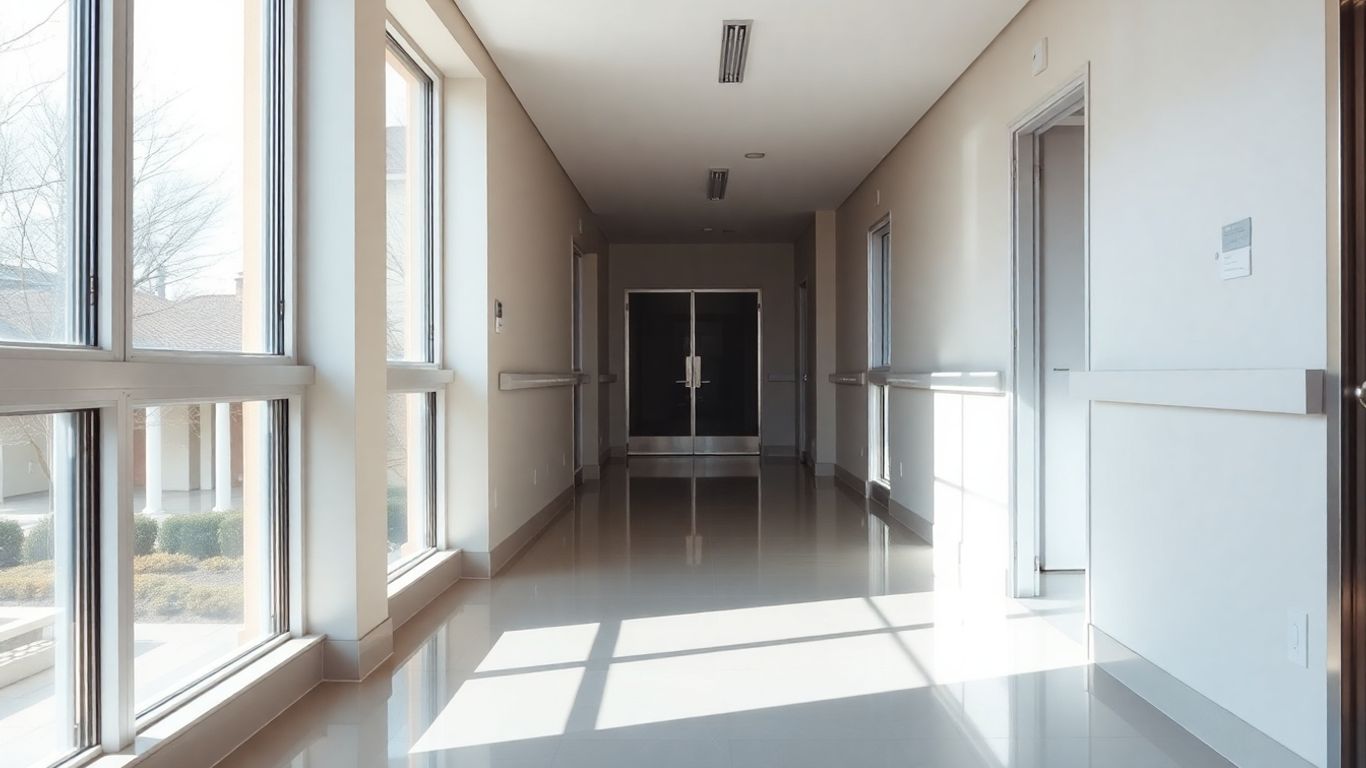
Letting in the light is a big deal, right? Clean windows make a place feel so much more open and bright. It's not just about looks, though. Grimy windows can actually make a space feel smaller and less inviting. And don't even get me started on fixtures – dull taps and dusty light fittings can really bring down the whole vibe of a common area.
Achieving Crystal Clear Window Panes
Getting windows to sparkle without leaving streaks is totally doable. It just takes a bit of know-how and the right approach. First things first, always give the window frames and sills a good dusting. You don't want loose dirt getting into your cleaning solution. Then, grab a good glass cleaner – one that promises a streak-free finish is your best bet. You can also whip up a simple mix of white vinegar and water; it works wonders.
- Start cleaning from the top of the window and work your way down. This way, any drips won't mess up the parts you've already cleaned.
- Use a soft, lint-free cloth or a sponge to apply the cleaner. Work in an 'S' pattern to make sure you cover every bit of the glass.
- For those really tough spots, like bird droppings or stubborn smudges, you might need to give them a little extra attention before going over the whole pane.
- After cleaning, dry the window with a clean microfiber cloth. This is key to avoiding water spots and those annoying fuzzy marks.
Keeping windows clean isn't just about aesthetics; it's about making the entire building feel more welcoming and well-cared for. It's a simple step that makes a noticeable difference.
Polishing Taps and Shower Heads
Think about the faucets in the lobby restroom or the shower heads in any shared facilities. When they're dull and covered in water spots, it just looks neglected. A good polish can make them look brand new. For everyday cleaning, a damp cloth with a bit of mild soap usually does the trick. For tougher limescale buildup on shower heads, you might need something a bit stronger, but always test it on an inconspicuous spot first.
| Fixture Type | Daily Wipe | Deeper Clean (Limescale) | Polish |
|---|---|---|---|
| Taps (Chrome) | Microfiber cloth | Vinegar solution | Soft cloth |
| Shower Heads | Damp cloth | Vinegar soak (bag method) | Metal polish |
| Stainless Steel | Mild soap & water | Specialized cleaner | Stainless polish |
Cleaning Light Fixtures and Fittings
Light fixtures can be dust magnets. When they're covered in grime, they don't just look bad, they can actually dim the light. For most fixtures, a quick dusting with a dry microfiber cloth is a good start. If they're really dirty, you might need to take them down (if possible and safe to do so) and give them a gentle wash with mild soap and water. Make sure they are completely dry before putting them back up. Always turn off the power at the switch or breaker before you start cleaning any electrical fixture – safety first!
- Always ensure the power is off before you start.
- Dust regularly to prevent heavy buildup.
- For glass shades, use a glass cleaner and a soft cloth.
- Check manufacturer instructions for special materials like brass or crystal.
Floor and Carpet Care Strategies
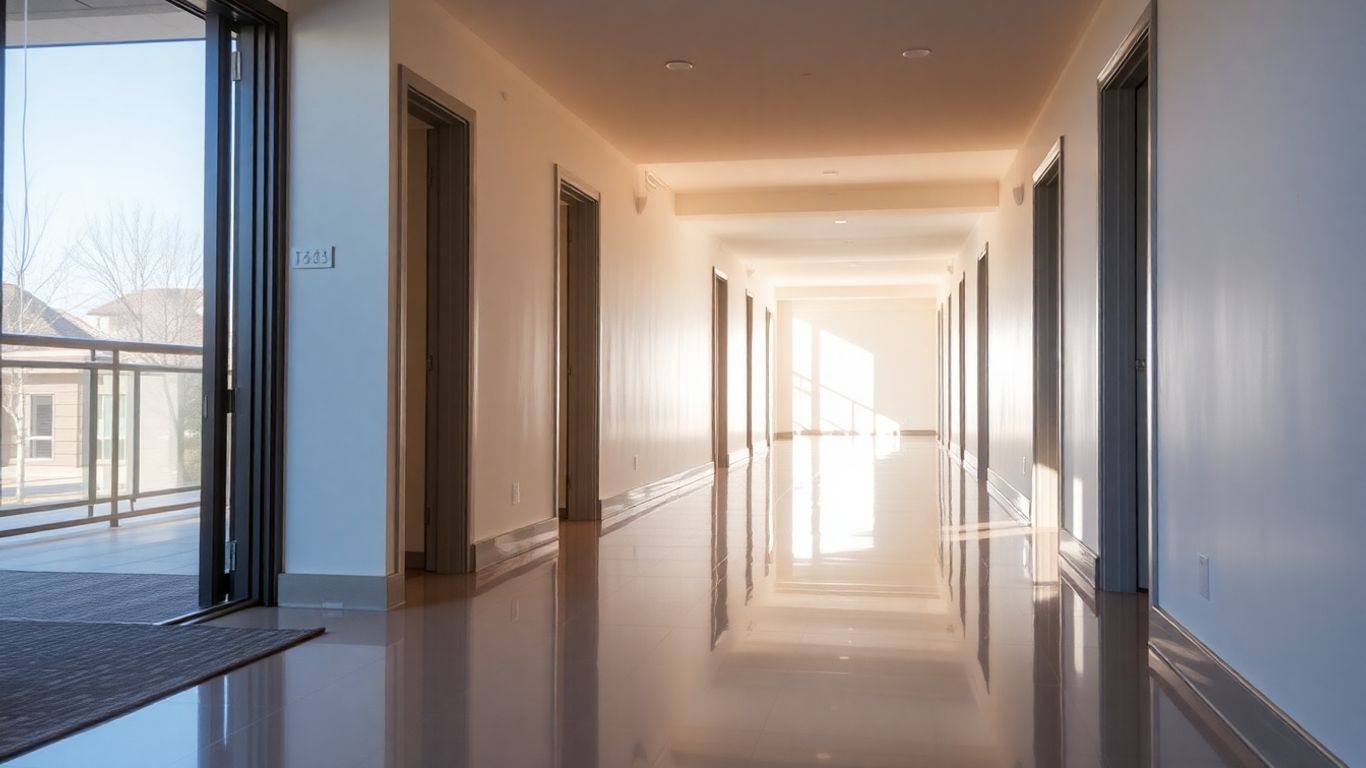
Keeping the floors and carpets in an apartment building looking good is a big job, but it makes a huge difference in how residents feel about their home. It's not just about making things look nice; it's about hygiene and making sure everything lasts longer.
Hard Floor Sweeping, Mopping, and Polishing
When it comes to hard floors, like in lobbies or kitchens, a good routine is key. First off, you've got to get rid of loose stuff. Dry sweeping or using a dust mop is a good way to start. This gets rid of dust bunnies and crumbs before you even think about water. If you don't do this, you just end up pushing dirt around and making mud when you mop. It saves a lot of hassle later.
For mopping, think about how you're going to tackle large areas. It's best to break it down into smaller sections. Work your way through one section at a time. Make sure you overlap your strokes a bit so you don't miss any spots. Using the right cleaner is also important. You don't want to use something that's too harsh and damages the floor, especially if you have wood or special tile. Sometimes, making your own cleaning solution can be the best bet, depending on the floor type and how dirty it is. After mopping and letting it dry, a good polish can really make the floors shine. Pick a polish that's right for the floor material, whether it's wood, tile, or stone.
Here's a quick look at how often you might need to mop:
- High-traffic areas (entrances, main hallways): Daily or every other day.
- Medium-traffic areas (kitchens, common lounges): 2-3 times a week.
- Low-traffic areas (less-used corridors): Once a week.
The frequency of mopping really depends on how many people use the space and what kind of flooring you have. More people means more dirt, so you'll need to mop more often, especially in places where everyone walks.
Thorough Carpet Vacuuming and Stain Treatment
Carpets can hide a surprising amount of dirt and dust. Just running a vacuum over them isn't enough. You need to go over the same spots a few times, maybe in different directions, to really pull out the embedded grime. This makes a big difference in how clean the carpets look and feel.
Dealing with stains is another big part of carpet care. The most important thing is to act fast. The longer a stain sits, the harder it is to get out. Different stains need different treatments.
| Stain Type | Recommended Treatment |
|---|---|
| Liquid Spills | Blot with a clean cloth, then use a mix of water and vinegar, followed by baking soda. |
| Greasy Stains | Apply a little grease-cutting dish soap, rinse, and blot dry. |
| Mud and Dirt | Let it dry, vacuum, then spot clean with mild soap. |
| Pet Accidents | Use an enzyme cleaner made for pet stains to break down odors and bacteria. |
Remember to always test any cleaning solution on a small, hidden spot of the carpet first to make sure it doesn't cause discoloration. For tough jobs, you might need to look into professional carpet cleaning services.
Maintaining Baseboards and Edges
Don't forget about the baseboards and the edges where the floor meets the wall. These spots are dust magnets and can get scuffed up easily. A quick wipe-down with a damp cloth or a specialized baseboard cleaner can make a big difference. For scuff marks, a magic eraser or a bit of baking soda paste can often do the trick. Paying attention to these often-overlooked areas really completes the look of a clean floor.
Essential Cleaning Supplies and Preparation
Getting ready to tackle the cleaning in an apartment building is a big part of making sure it all goes smoothly. You can't just grab any old sponge and expect miracles, right? Having the right stuff and knowing how to use it makes a world of difference. It's like going into battle – you need your gear sorted before you even think about fighting.
Assembling Your Cleaning Arsenal
So, what exactly do you need? It’s more than just a mop and a bucket. Think of it as building a toolkit for cleanliness. You'll want a good mix of everyday items and some more specialized things for tougher jobs. Having a well-stocked cleaning cart ready to go can save you so much time and hassle.
Here’s a breakdown of what you should have on hand:
- Microfiber Cloths: These are your best friends for dusting, polishing, and wiping down surfaces without scratching. Get a bunch in different colors so you can assign them to different areas (like one for bathrooms, one for kitchens).
- All-Purpose Cleaner: A good, reliable all-purpose spray is key for everyday messes on counters, tables, and walls. Look for something that works on multiple surfaces.
- Disinfectant Sprays/Wipes: For high-touch areas like doorknobs, light switches, and elevator buttons, you need something that kills germs. These are non-negotiable for health and safety.
- Glass Cleaner: For windows, mirrors, and those shiny lobby surfaces, a streak-free glass cleaner is a must.
- Floor Cleaners: You'll need different types depending on the flooring – one for tile or linoleum, and maybe a wood floor cleaner if applicable.
- Scrub Brushes and Sponges: For tackling tougher grime in bathrooms and kitchens, like soap scum or baked-on food.
- Mop and Bucket: A sturdy mop and a decent-sized bucket are standard for hard floors.
- Vacuum Cleaner with Attachments: A good vacuum, especially one with different heads, can handle carpets, upholstery, and getting into corners.
- Gloves: Protect your hands! Heavy-duty rubber gloves are a good idea for tougher cleaning jobs.
- Trash Bags: You'll be generating a lot of waste, so have plenty of sturdy bags.
Strategic Decluttering for Efficiency
Before you even start spraying and wiping, take a moment to clear the decks. Trying to clean around piles of mail in the lobby or clutter in a hallway just makes the job harder and less effective. A quick declutter can make a huge difference.
- Clear Surfaces: Remove everything from countertops, tables, and shelves in common areas. This gives you a clear path to clean.
- Organize Belongings: In hallways or entryways, encourage residents to keep their personal items tidy. A clear path is a safer path.
- Remove Trash: Empty any temporary bins and make sure stray litter is picked up before you begin your main cleaning routine.
A clean space isn't just about looking good; it's about creating an environment that feels welcoming and safe for everyone. Taking a few minutes to tidy up before you clean can actually speed up the process and lead to a much better result. It’s about working smarter, not just harder.
Implementing an Eco-Friendly Approach
More and more people are looking for ways to clean without harsh chemicals. It’s better for the environment, and often, it’s better for the people living and working in the building too. You can achieve a great clean using greener methods.
- Vinegar and Water: A simple mix of equal parts white vinegar and water is surprisingly effective for many surfaces, including windows and some floors. It’s great for cutting through grease and grime.
- Baking Soda: This is a fantastic natural abrasive for scrubbing sinks, tubs, and even carpets. It also helps neutralize odors.
- Plant-Based Cleaners: There are many commercially available cleaning products made from plant-derived ingredients. They work well and are often biodegradable. You can find great options for all-purpose cleaning.
- Reusable Tools: Opt for washable microfiber cloths and mop heads instead of disposable wipes or paper towels whenever possible. This cuts down on waste significantly.
Wrapping It Up: Leaving Your Apartment Sparkling
So, we've gone through all the nooks and crannies, from the kitchen sink to the hallway floors. It might seem like a lot, but tackling these areas methodically makes a big difference. A clean apartment isn't just about getting your deposit back, though that's a nice bonus. It's about showing respect for the place you lived in and for the folks who will move in after you. Think of it as leaving your mark, but in a good way – a clean, fresh mark. By following these tips, you can leave your apartment looking its best, making your move-out process smoother and leaving everyone involved feeling good about the handover. Happy cleaning, and good luck with your next adventure!
Frequently Asked Questions
What's the best way to clean apartment hallways and entryways?
Start by getting rid of any cobwebs or dust bunnies from the ceiling and corners. Then, wipe down all the doors, door handles, and light switches. If there's any furniture like coat racks, give those a good clean too. Finally, sweep and then mop the floors, making sure to pay extra attention to where people walk the most.
How do I make sure the lobby and reception area look great?
For the lobby and reception, focus on making a good first impression. Dust all surfaces, including any tables, chairs, or decorative items. Make sure the floors are spotless, whether they're hard floors or carpets. Wipe down any glass surfaces, like reception desks or windows, until they sparkle. Keeping this area tidy shows pride in the building.
What are the key steps for cleaning bathrooms in apartment units?
In the bathroom, start by tackling any hard water stains on shower heads, faucets, and glass. Clean and disinfect the toilet thoroughly, both inside and out. Scrub tiles and grout to get rid of mold or mildew. Polish mirrors and glass for a clear shine, and finish by mopping the floor with a disinfectant, especially around the toilet.
How can I get windows really clean and streak-free?
To get windows super clean, you'll want to use a good glass cleaner and a microfiber cloth or a squeegee. Spray the cleaner on the window and wipe it down in a consistent pattern, like side-to-side or up-and-down, to avoid streaks. For really dirty windows, you might need to wash them with soapy water first, then rinse and squeegee.
What's the best approach for cleaning apartment building floors?
For hard floors like tile or wood, start by sweeping or vacuuming up loose dirt. Then, mop with a suitable cleaner, using a figure-eight motion to cover the whole area well. For carpets, vacuum them thoroughly, making sure to go over high-traffic areas multiple times. If there are any stains, treat them with a carpet cleaner before you vacuum.
What cleaning supplies should I have ready?
It's smart to have a variety of cleaning supplies on hand. You'll need all-purpose cleaners, glass cleaner, and maybe some special cleaners for bathrooms or kitchens. Don't forget tools like sponges, scrub brushes, microfiber cloths, a mop, a bucket, and a good vacuum cleaner. Having gloves to protect your hands is also a good idea.


Comments
Post a Comment