Common Office Spaces that Require Special Attention During a Deep Clean

Keeping an office clean is not just about tidying up the visible areas. A thorough deep clean is essential to ensure a healthy work environment. In San Francisco, where offices can get pretty busy, special attention needs to be given to various office spaces that often get overlooked. This article highlights common areas that require a deep clean, ensuring your workspace remains hygienic and inviting.
Key Takeaways
- Regular cleaning isn't enough; deep cleaning targets hidden dirt and germs.
- Focus on high-touch areas like desks, restrooms, and kitchens for better hygiene.
- Don't forget about nooks and crannies; they can harbor dust and allergens.
- Electronics and equipment need special care to prevent the spread of germs.
- Deep cleaning should be done regularly, ideally every few months, to maintain a healthy workspace.
Office Desks And Cubicles
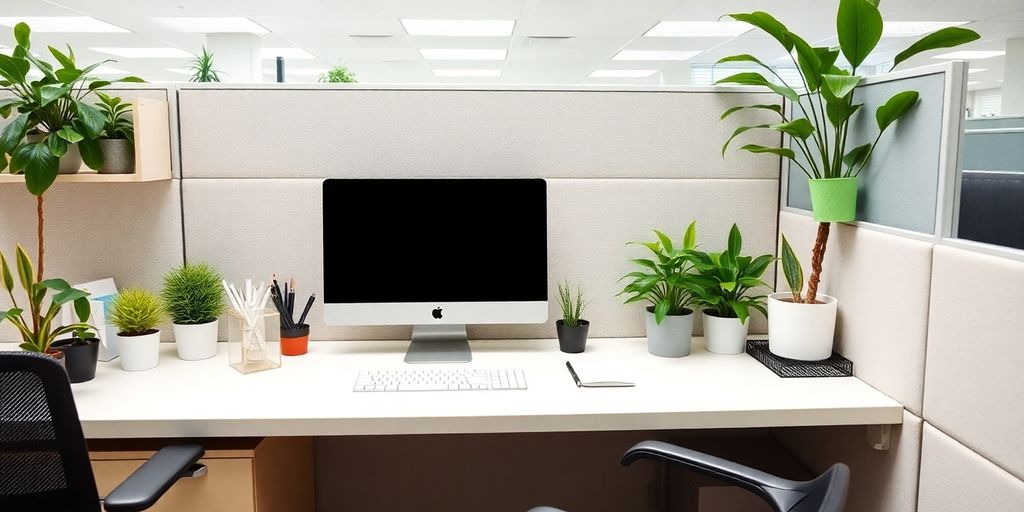
Office desks and cubicles? They're like personal ecosystems, aren't they? A mix of work stuff, personal items, and, let's be honest, a whole lot of dust and crumbs. Keeping these spaces clean isn't just about appearances; it's about employee health and productivity. Think about it: a clean workspace can reduce allergens and germs, leading to fewer sick days and happier employees. Plus, who wants to work in a messy, disorganized space?
Dusting Keyboards And Screens
Keyboards and screens are germ magnets. Seriously, think about how often you touch them throughout the day. Dusting and wiping them down regularly is a must. I usually use a microfiber cloth and a screen cleaner for the monitor. For the keyboard, I like to turn it upside down and give it a good shake to get rid of all the crumbs and dust. Then, I wipe down the keys with an alcohol-based wipe. It's kind of gross when you think about what might be lurking on those surfaces.
Emptying Trash Cans
This one seems obvious, but it's often overlooked. Emptying trash cans regularly prevents odors and keeps pests away. I try to do it daily, especially if there's food waste involved. Nobody wants to deal with a smelly, overflowing trash can. Plus, it's just good hygiene. Make sure to line the trash can with a fresh bag each time to keep things extra clean.
Disinfecting High-Touch Surfaces
Think about all the things you touch throughout the day: your phone, stapler, desk lamp, the edge of your desk. These are all high-touch surfaces that can harbor germs. Disinfecting them regularly is super important, especially during cold and flu season. I keep a bottle of disinfectant wipes handy and try to wipe down these surfaces at least once a day. It's a small effort that can make a big difference in preventing the spread of germs.
Keeping your workspace clean can really impact your mood and productivity. A tidy desk can lead to a tidy mind, and a healthy workspace can lead to a healthier you. It's worth taking the time to clean and disinfect your desk and cubicle regularly.
Kitchens And Break Rooms
Kitchens and break rooms? Oh boy, these places can get nasty real quick. It's not just about appearances; a dirty kitchen can actually affect employee morale. Nobody wants to eat lunch in a place that looks like a biohazard zone. Let's break down how to tackle this.
Cleaning Dishware And Utensils
Okay, first things first: dishes. Nobody wants to use a mug that's got coffee stains from last week. Make sure everything is properly washed, dried, and put away. If you've got a dishwasher, great! If not, assign someone the task or consider a rotating schedule. And for the love of all that is holy, empty the dishwasher regularly.
Wiping Down Surfaces
Countertops, tables, the microwave exterior – all prime real estate for crumbs, spills, and who-knows-what-else. A simple wipe-down with a disinfectant cleaner can make a huge difference. Don't forget to get those hard-to-reach spots behind the coffee maker and under the toaster.
Sanitizing Appliances
Let's talk about the fridge. It's probably the biggest offender. Old leftovers, mystery containers, and that one coworker who always forgets to label their food... it's a recipe for disaster. Regularly toss out expired items and give the inside a good scrub. And the microwave? Don't even get me started. Splatter happens, but leaving it there to harden into concrete is just unacceptable. A quick steam clean with a bowl of water and lemon juice can work wonders. Don't forget the coffee maker, too! Descale it regularly to keep it running smoothly and prevent that bitter taste.
Keeping the kitchen clean isn't just about hygiene; it's about showing your employees that you care about their well-being. A clean break room is a happy break room, and a happy break room leads to more productive employees. It's a win-win!
Restrooms
Okay, let's talk restrooms. No one wants to clean them, but everyone appreciates a clean one. Office restrooms can get pretty gross, pretty fast, so they need regular, thorough attention. A clean restroom shows you care about your employees and visitors.
Scrubbing Toilets And Sinks
This is where the real work begins. You can't just give the toilet a quick swish and call it a day. You need to get in there with a good toilet bowl cleaner and scrub. Don't forget the outside of the toilet, especially around the base. Sinks need a good scrub too, paying attention to the faucet handles and the drain. Those areas can get pretty grimy. I usually use a disinfecting cleaner for both toilets and sinks.
Disinfecting High-Touch Areas
Think about all the things people touch in a restroom: door handles, stall latches, light switches, soap dispensers, paper towel dispensers. All of these are germ hotspots. Wipe them down with a disinfectant wipe or spray. It only takes a minute, but it can make a big difference in preventing the spread of germs.
Restocking Supplies
Nothing is worse than going to the restroom and finding out there's no toilet paper or soap. Make sure you have plenty of supplies on hand. Check the toilet paper, hand soap, paper towels, and hand sanitizer regularly. It's also a good idea to have extra supplies stored somewhere nearby so you can quickly refill them when needed.
Keeping restrooms clean isn't just about appearances; it's about health and hygiene. A clean restroom can help prevent the spread of illness and create a more pleasant work environment for everyone.
Common Areas And Lobbies
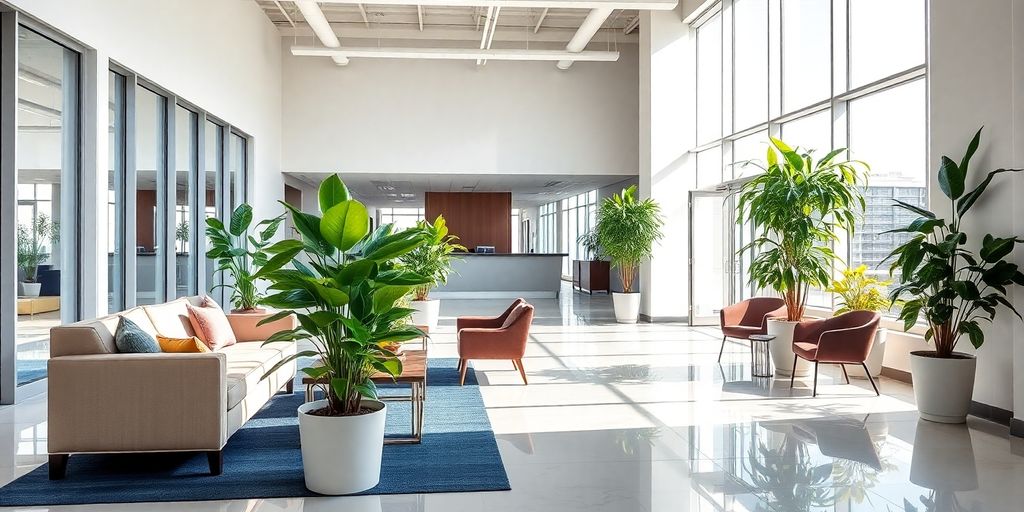
Common areas and lobbies are the first impression many visitors have of your office, so keeping them clean is super important. It's not just about appearances; a clean lobby can also impact employee morale and create a more welcoming environment. Regular deep cleaning ensures these spaces are not just tidy but also hygienic.
Vacuuming Carpets And Rugs
Carpets and rugs in high-traffic areas can quickly accumulate dirt, dust, and allergens. Regular vacuuming is a must, but deep cleaning involves using a carpet cleaner to remove embedded grime and stains. Consider these points:
- Frequency: High-traffic areas should be vacuumed daily, with deep cleaning done quarterly.
- Type of Vacuum: Use a vacuum with a HEPA filter to trap allergens.
- Stain Removal: Address stains immediately to prevent them from setting.
Dusting Furniture And Decor
Dust settles on everything, and furniture and decor are no exception. A deep clean involves more than just a quick wipe-down. It means getting into all the nooks and crannies of chairs, tables, and decorative items. Here's a simple guide:
- Use microfiber cloths to avoid spreading dust around.
- Pay attention to hard-to-reach areas, like under cushions and behind picture frames.
- Consider using a furniture polish to protect wood surfaces.
Cleaning Glass Doors And Windows
Streaky glass doors and windows can detract from an otherwise clean space. Deep cleaning means achieving a streak-free shine. Here's how:
- Use a glass cleaner and a microfiber cloth.
- Wipe in overlapping strokes to avoid streaks.
- Don't forget to clean the frames and sills, too.
Keeping common areas and lobbies clean is a team effort. Encourage employees to be mindful of cleanliness and report any spills or messes promptly. A little bit of prevention can go a long way in maintaining a clean and welcoming space.
Electronics And Equipment
Office electronics are dust and germ magnets. Think about it: everyone touches the same keyboards, mice, and phone handsets all day long. A deep clean should definitely address these items.
Dusting Computers And Monitors
Start by unplugging everything. Use a microfiber cloth to gently wipe down the screens and casings. Canned air is great for getting dust out of those hard-to-reach spots, like around the USB ports and vents. Don't forget the cables, too!
Cleaning Printers And Copiers
Printers and copiers need some love, too. Wipe down the exterior with a damp cloth and mild cleaner. Open them up and remove any loose paper or debris. Check the toner or ink levels while you're at it. A clean printer is a happy printer.
Sanitizing Phones And Headsets
These are often overlooked, but think about how much bacteria can live on phones and headsets. Use sanitizing wipes to clean all surfaces, paying special attention to the earpieces and mouthpieces. Let them air dry completely before using them again.
Regular cleaning of electronics not only keeps them looking good but also helps prevent the spread of germs and keeps equipment running smoothly. It's a win-win.
Floors And Carpets
Okay, so let's talk floors. They get walked all over, literally, and they show it. A good deep clean can make a huge difference in how the whole office looks and feels. It's not just about appearances, though; clean floors are safer and healthier, too.
Deep Cleaning Carpets
Carpets are like sponges for dirt, dust, and whatever else people track in. Regular vacuuming is a must, but a deep clean extracts all the embedded gunk. I remember this one office where the carpet was so gross, it was practically crunchy. After a deep clean, it looked brand new. You can rent a carpet cleaner or hire a professional, but either way, it's worth doing a few times a year. Don't forget to pre-treat any stains!
Mopping Hard Floors
Hard floors might seem easier to clean than carpets, but they still need some love. Mopping gets rid of surface dirt, but you also need to think about the type of floor you have. Different materials need different cleaners. For example, you wouldn't use the same stuff on wood as you would on tile. And don't forget to rinse! Leaving soapy residue behind just attracts more dirt. I usually mop twice – once with the cleaner, and once with just water.
Cleaning Baseboards
Baseboards are those things everyone forgets about. They're magnets for dust and scuff marks. A quick wipe-down with a damp cloth can make a big difference. I like to use a little bit of all-purpose cleaner on a microfiber cloth. You might be surprised how much grime builds up down there. It's a small detail, but it really does make the whole room look cleaner.
I once skipped cleaning the baseboards in my own house for like, six months. When I finally got around to it, the amount of dust was actually shocking. It's one of those things you don't notice until it's gone, but it makes a huge difference.
Nooks And Crannies
Offices have those spots that everyone forgets about, but dust and grime love. We're talking about the places where dirt builds up over time, impacting air quality and overall cleanliness. These areas need special attention during a deep clean to ensure a healthy and pleasant workspace.
Cleaning Vents And Air Ducts
Okay, let's be real, when was the last time anyone thought about the vents? Probably never. But think about all the dust and allergens circulating through them! Cleaning vents and air ducts is super important for air quality. You can use a vacuum with a brush attachment to get rid of surface dust. For a really deep clean, you might want to call in the pros. Seriously, it makes a difference.
Dusting Shelves And Cabinets
Shelves and cabinets are dust magnets. It's just a fact of life. Make sure to empty them out completely before you start dusting. Use a damp cloth to wipe down all surfaces, inside and out. Don't forget the tops of the cabinets – that's where dust bunnies like to party. For stubborn grime, a little bit of all-purpose cleaner can work wonders.
Wiping Down Light Fixtures
Light fixtures? Another forgotten zone. Turn off the lights first, obviously. Then, dust the fixtures with a dry cloth or duster. If they're really dirty, you can use a damp cloth with a bit of soap. Just make sure everything is completely dry before you turn the lights back on. Nobody wants a shocking surprise!
Wrapping It Up
In conclusion, keeping your office clean goes beyond just the basics. Deep cleaning is essential for those tricky spots that regular cleaning often misses. Areas like behind the fridge, under desks, and high shelves can gather dust and germs, which can affect everyone’s health. Scheduling a deep clean every few months can make a big difference in your workspace. It not only boosts the overall look of the office but also helps keep employees happy and productive. So, don’t overlook these important spaces—make deep cleaning a priority for a healthier work environment.
Frequently Asked Questions
What is an office deep clean?
An office deep clean is a thorough cleaning process that goes beyond regular cleaning. It focuses on hard-to-reach areas and removes dust, dirt, and germs from all surfaces.
How often should an office be deep cleaned?
It's best to deep clean your office at least four times a year, but it can depend on how many people work there and the type of work you do.
What areas should be prioritized during a deep clean?
Important areas to focus on include office desks, kitchens, restrooms, electronics, and any hidden spots like vents or behind furniture.
Why is deep cleaning important for an office?
Deep cleaning helps keep the office healthy by removing germs and allergens, which can improve employee morale and productivity.
What supplies are needed for a deep clean?
You'll need cleaning supplies like disinfectant sprays, microfiber cloths, mops, vacuum cleaners, and rubber gloves for a deep clean.
Can I deep clean my office myself?
Yes, you can do it yourself, but hiring professionals can ensure a more thorough job since they have the right tools and experience.


Comments
Post a Comment