How Deep Cleaning Can Improve Professional School Accreditation and Reputation

Deep cleaning is more than just a seasonal chore; it's a game changer for schools aiming for accreditation and a stellar reputation. When schools prioritize cleanliness, they create a safe and inviting space for students and staff alike. This not only helps in maintaining health standards but also plays a significant role in how the community views the institution. In cities like San Francisco, where competition among schools can be fierce, a clean environment can set a school apart.
Key Takeaways
- Deep cleaning significantly boosts hygiene standards, reducing illness spread among students.
- Regular deep cleaning helps schools comply with safety regulations, enhancing their accreditation chances.
- A clean school environment positively influences parents' and students' perceptions, aiding enrollment efforts.
- Targeting high-touch surfaces during deep cleaning is essential for maintaining a healthy school atmosphere.
- Investing in deep cleaning not only protects health but also extends the lifespan of school facilities.
The Importance Of Deep Cleaning In Schools
Deep cleaning in schools is more than just making things look nice; it's about creating a better environment for everyone. It's easy to overlook the impact a clean school can have, but it touches everything from student health to the school's reputation. Let's get into why it matters.
Creating A Healthy Learning Environment
A clean school is a healthy school. Think about it: kids spend a huge chunk of their day in classrooms, hallways, and cafeterias. If these places aren't clean, they become breeding grounds for germs. Deep cleaning gets rid of the dirt, dust, and allergens that can make students and staff sick. It's about more than just appearances; it's about protecting everyone's health.
Enhancing Student Well-Being
A clean environment can seriously affect how students feel and learn. Imagine trying to concentrate in a dusty, messy classroom. Not easy, right? A clean, organized space helps students feel more comfortable, focused, and motivated. It shows them that their school cares about their well-being, which can boost their morale and encourage them to take pride in their school.
Reducing Spread Of Illnesses
Schools can be hotspots for spreading germs. Deep cleaning, especially when it includes disinfecting surfaces, can significantly reduce the spread of illnesses. This means fewer sick days for students and staff, which translates to better attendance and academic performance. It's a simple way to keep everyone healthier and more productive.
Deep cleaning isn't just about scrubbing floors and wiping desks. It's a proactive approach to creating a healthier, more positive learning environment. By prioritizing cleanliness, schools can improve student well-being, reduce the spread of illnesses, and create a space where everyone can thrive.
Key Benefits Of Deep Cleaning For Accreditation
Deep cleaning isn't just about appearances; it's a critical factor in achieving and maintaining professional school accreditation. Accreditation bodies often look closely at the cleanliness and hygiene of a school as indicators of its commitment to student and staff well-being. Let's explore the key benefits:
Improved Hygiene Standards
Deep cleaning goes beyond the surface, tackling the dirt, dust, and germs that regular cleaning might miss. This thorough approach helps schools maintain high hygiene standards, which is a major plus during accreditation reviews. Think about it: accreditation teams want to see that a school is serious about providing a healthy environment. Improved hygiene directly translates to fewer sick days and a more productive learning atmosphere. It's about creating a space where students and staff can thrive, not just survive.
Enhanced Safety Compliance
Safety is paramount, and deep cleaning plays a vital role in ensuring schools meet safety regulations. This includes everything from slip-and-fall prevention to proper handling of cleaning chemicals. Accreditation bodies want to see documented procedures and evidence of compliance. For example:
- Regular inspections of cleaning equipment
- Proper storage of cleaning supplies
- Staff training on safety protocols
By addressing potential hazards and maintaining a clean, safe environment, schools demonstrate their commitment to the well-being of their students and staff. This proactive approach can significantly boost their chances of a successful accreditation.
Positive Community Perception
First impressions matter, and a clean school makes a positive statement to the community. Parents, prospective students, and visitors all form opinions based on the appearance of the school. A well-maintained facility signals that the school cares about its image and the well-being of its occupants. This positive perception can lead to increased enrollment, stronger community support, and a better overall reputation. It's about showing the world that the school is a place where students can learn and grow in a safe, clean, and welcoming environment.
Deep Cleaning Strategies For Schools
Deep cleaning a school isn't just about making it look nice; it's about creating a healthier and safer place for everyone. It's more involved than regular cleaning, targeting areas often missed in daily routines. Here's how to approach it:
Targeting High-Touch Areas
Think about all the places students and staff touch every day: doorknobs, light switches, desks, computer keyboards, and shared equipment. These are germ hotspots and need extra attention. Wipe them down with a disinfectant cleaner regularly. Don't forget less obvious spots like water fountains and handrails. A checklist can help ensure nothing is missed.
Effective Floor Care Techniques
Floors take a beating in schools. Different floor types require different cleaning methods. For carpets, regular vacuuming and occasional deep cleaning with a carpet extractor are important. Hard floors need to be mopped with appropriate cleaners. Pay attention to corners and edges where dirt accumulates. Here's a quick guide:
| Floor Type | Cleaning Method | Frequency |
|---|---|---|
| Carpet | Vacuum, spot clean, extract | Daily, as needed, quarterly |
| Tile | Mop with disinfectant | Daily |
| Wood | Sweep, damp mop | Daily |
Implementing Disinfection Protocols
Disinfection goes beyond just cleaning; it's about killing germs. Use EPA-approved disinfectants and follow the instructions carefully. Pay special attention to restrooms, locker rooms, and cafeterias. Consider using a color-coded system for cleaning cloths to prevent cross-contamination. Make sure staff is trained on proper disinfection techniques.
Regular disinfection is key to preventing the spread of illness in schools. It's not just about appearances; it's about protecting the health of students and staff. A well-defined disinfection protocol, consistently followed, can make a big difference.
Frequency Of Deep Cleaning In Educational Institutions
Annual Deep Cleaning Recommendations
Generally, schools should aim for a deep clean at least once a year. The best time to schedule this is during school breaks, like summer vacation, when the building is mostly empty. This allows cleaning crews to work without disrupting classes or activities. A thorough cleaning during this time can set the stage for a healthier learning environment for the entire academic year.
High-Traffic Areas Maintenance
Areas that see a lot of foot traffic, such as hallways, cafeterias, and gyms, need more frequent attention. A quick once-over isn't enough. These spots can accumulate dirt and germs quickly, so consider deep cleaning them more often – perhaps once a term or even monthly, depending on how heavily they're used. Regular upkeep in these zones can prevent the spread of illness and maintain a better overall appearance.
Specialized Cleaning Schedules
Certain areas have unique cleaning needs. Restrooms, science labs, and art rooms, for example, require specialized cleaning schedules due to the nature of activities that happen there. Restrooms need daily attention to maintain hygiene, while labs might need deep cleaning after experiments. Tailoring the cleaning schedule to the specific needs of each area ensures a consistently clean and safe environment.
It's important to remember that every school is different. Factors like the size of the school, the number of students, and the local climate can all influence how often deep cleaning is needed. Regular assessments and consultations with cleaning professionals can help determine the best schedule for your specific situation.
Essential Equipment For School Deep Cleaning
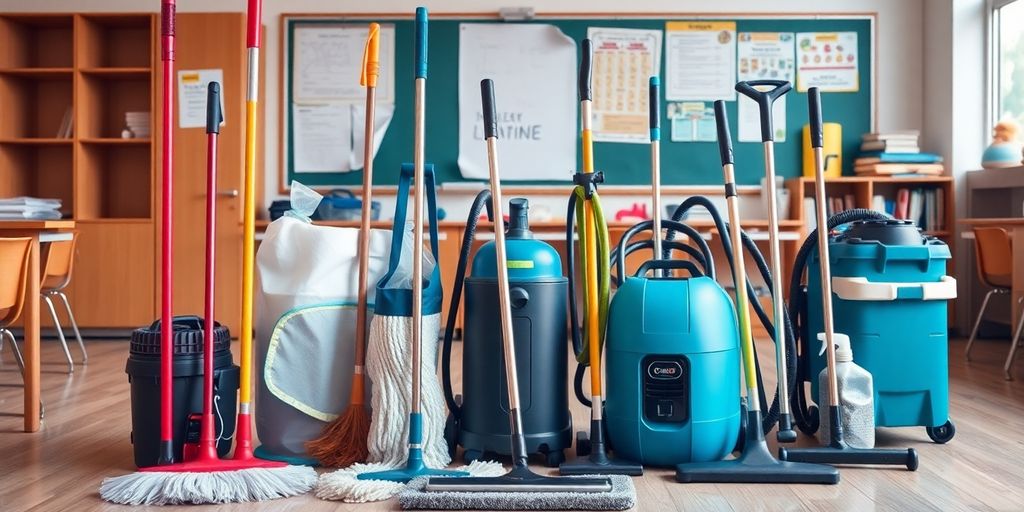
Deep cleaning a school isn't just about elbow grease; it's about having the right tools for the job. Using the correct equipment makes the process more efficient and effective, ensuring a truly clean and healthy environment for students and staff. Let's break down the must-have items.
Cleaning Solutions And Tools
You can't clean without cleaners! Make sure you have a range of products to tackle different surfaces and messes. This includes:
- Disinfectants: Vital for killing germs on high-touch surfaces.
- All-Purpose Cleaners: Good for general cleaning of various surfaces.
- Glass Cleaners: For streak-free windows and mirrors.
- Floor Cleaners: Specific solutions for different floor types (tile, wood, etc.).
- Microfiber Cloths: These are great for dusting, wiping, and polishing. They trap dirt effectively and are reusable.
- Mops and Buckets: Essential for floor cleaning. Consider having both wet and dry mops.
Specialized Cleaning Equipment
For a truly deep clean, some specialized equipment is necessary:
- Wet and Dry Vacuum Cleaner: A versatile machine for both dry debris and wet spills.
- Rotary Floor Machine: Great for scrubbing and polishing hard floors. Different pads can be used for various floor types.
- Scrubber Dryer: For larger floor areas, this machine cleans and dries in one pass, saving time and effort.
- Carpet Cleaning Machine: Essential for deep cleaning carpets and removing embedded dirt and stains.
- Vacuum cleaner with HEPA filter: For vacuuming carpets and rugs.
Organizational Supplies
Staying organized is key to an efficient deep clean:
- Spray Bottles: For dispensing cleaning solutions.
- Gloves: To protect your hands from harsh chemicals.
- Masks: To avoid inhaling dust and fumes.
- Ladders or Step Stools: For reaching high areas safely.
- Rubbish Bags: For collecting and disposing of waste. Separate bags for recycling are a plus.
Having the right equipment not only makes the job easier but also ensures a more thorough and effective clean. It's an investment in the health and well-being of the school community.
Differences Between Deep Cleaning And Regular Cleaning
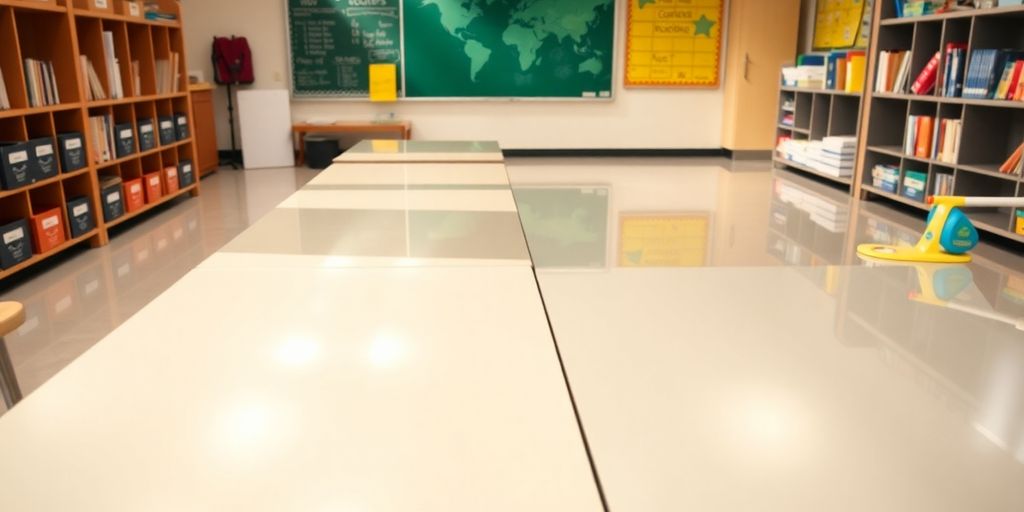
Regular cleaning and deep cleaning are both important for maintaining a clean school, but they differ in scope, intensity, and frequency. Think of it like this: regular cleaning is like your daily hygiene routine, while deep cleaning is like your annual physical check-up. Let's break down the key differences.
Intensity And Thoroughness
Deep cleaning is far more intensive and thorough than regular cleaning. Regular cleaning focuses on surface-level tasks like wiping down desks, sweeping floors, and emptying trash cans. Deep cleaning, on the other hand, tackles built-up dirt, grime, and allergens in hard-to-reach places. This includes things like scrubbing baseboards, cleaning vents, and disinfecting high-touch surfaces with greater attention to detail.
Frequency Of Cleaning
Regular cleaning is performed frequently, often daily or weekly, to maintain a basic level of cleanliness. Deep cleaning is performed less often, typically once or twice a year, during school breaks or holidays. This allows for a more thorough cleaning without disrupting the school's daily activities.
Focus On Problematic Areas
Deep cleaning pays special attention to areas that are prone to dirt, germs, and odors. This includes restrooms, cafeterias, gyms, and science labs. These areas require more intensive cleaning and disinfection to maintain a healthy environment. Regular cleaning addresses these areas, but deep cleaning provides a more comprehensive solution.
Regular cleaning is like tidying up your room every day, while deep cleaning is like spring cleaning – you're getting into every nook and cranny to remove all the accumulated dirt and clutter.
Here's a simple table to illustrate the differences:
| Feature | Regular Cleaning | Deep Cleaning |
|---|---|---|
| Intensity | Surface-level | Intensive and thorough |
| Frequency | Daily or weekly | Annually or bi-annually |
| Focus | General cleanliness | Problematic areas, built-up grime |
| Areas Covered | Easily accessible surfaces | Hard-to-reach areas, high-touch points |
| Equipment Used | Basic cleaning supplies | Specialized equipment often needed |
In short, both types of cleaning are needed to keep a school in tip-top shape. Regular cleaning keeps things tidy on a day-to-day basis, while deep cleaning tackles the bigger, tougher cleaning jobs less frequently.
Impact Of Cleanliness On School Reputation
First Impressions Matter
Let's be real, first impressions are huge. A clean school sends a message that you care. When prospective students and their families visit, the state of the school speaks volumes. Think about it: would you want to send your kid to a place that looks run-down and dirty? Probably not. A well-maintained school projects an image of competence, care, and attention to detail. It shows that the school values its students and staff, and that it's committed to providing a positive learning environment. It's like showing up to a job interview in a wrinkled shirt – it just doesn't send the right message.
Influence On Student Enrollment
Cleanliness directly impacts enrollment. Students want to learn in a place that feels good. A school that's clean and well-kept is more attractive to prospective students. It's not just about aesthetics; it's about creating an environment where students feel comfortable, safe, and motivated to learn. If a school looks uncared for, it can deter students from enrolling. It suggests that the school might not be investing in other important areas, like academics or extracurricular activities. A clean campus communicates that the administration cares about the students and their experience.
Community Trust And Engagement
Cleanliness builds trust within the community. A school's reputation is closely tied to its cleanliness. A clean school is more likely to garner support from parents, local businesses, and other community members. It shows that the school is a responsible and valued member of the community. When people see that a school is well-maintained, they're more likely to trust its leadership and support its initiatives. This can lead to increased volunteerism, donations, and overall community engagement. It's a virtuous cycle: a clean school fosters trust, which leads to more support, which in turn allows the school to maintain its cleanliness and continue to thrive.
A clean school isn't just about appearances; it's about creating a positive and supportive environment for students, staff, and the entire community. It's an investment in the school's future and a reflection of its values.
Wrapping It Up
In the end, deep cleaning is more than just a chore; it’s a game changer for schools. It helps keep students and staff healthy, boosts the school’s image, and shows that the administration cares. When a school is clean, it sends a message that it values its community. Plus, a tidy environment can make a big difference in how students feel about their school. They’re more likely to take pride in their surroundings and focus better in class. So, if schools want to keep their accreditation strong and their reputation shining, regular deep cleaning should definitely be on the to-do list.
Frequently Asked Questions
What is deep cleaning in schools?
Deep cleaning in schools means doing a thorough cleaning of all areas, especially those that are often missed during regular cleaning. It focuses on removing dirt, germs, and allergens to create a safe environment for students and staff.
How often should schools be deep cleaned?
Schools should be deep cleaned at least once a year, usually during breaks when students are not there. However, busy areas like hallways and restrooms may need to be cleaned more often.
What are the benefits of deep cleaning for schools?
Deep cleaning helps keep schools hygienic, reduces the spread of germs, improves air quality, and creates a better learning environment. It also shows parents and the community that the school cares about health and safety.
What areas get the most attention during deep cleaning?
Deep cleaning focuses on high-touch areas like doorknobs, light switches, and desks. It also pays special attention to restrooms, cafeterias, and gyms where germs can spread easily.
What tools are needed for deep cleaning in schools?
Essential tools include cleaning solutions, mops, buckets, microfiber cloths, and specialized equipment like carpet cleaners and floor scrubbers to ensure a thorough clean.
How is deep cleaning different from regular cleaning?
Deep cleaning is more intense and thorough than regular cleaning. It targets hidden dirt and germs, covers hard-to-reach areas, and uses special equipment to achieve a higher level of cleanliness.


Comments
Post a Comment