Maintaining Sacred Spaces: How Deep Cleaning Protects Church Furnishings and Artifacts
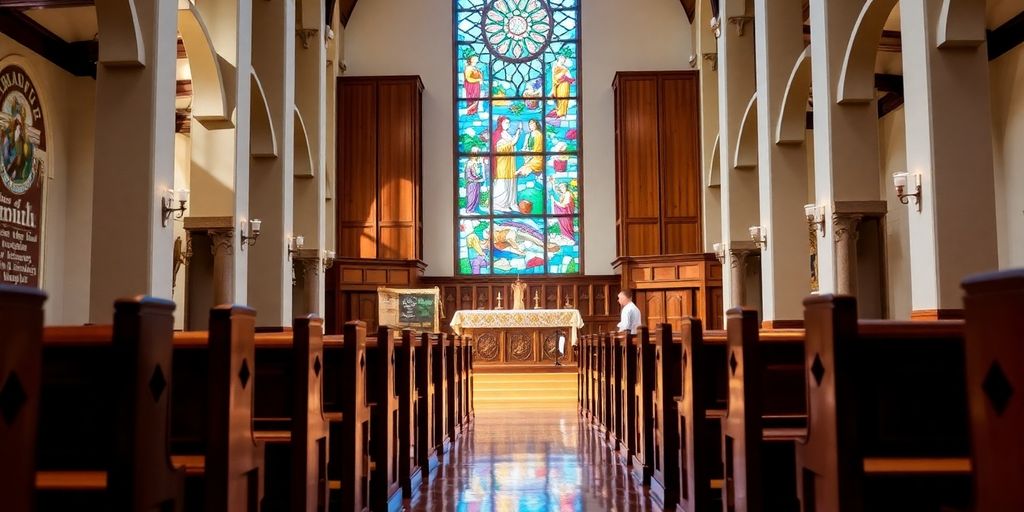
Churches are more than just buildings; they are sacred spaces filled with history, art, and community significance. With the constant flow of visitors, keeping these spaces clean and inviting is crucial. Deep cleaning not only enhances the visual appeal but also protects the delicate furnishings and artifacts that hold so much meaning. In this article, we'll explore the importance of maintaining these sacred spaces through deep cleaning in San Francisco, highlighting the benefits it brings to worshippers and the community alike.
Key Takeaways
- Deep cleaning boosts the visual appeal of churches, making them more inviting for worshippers.
- Professional cleaning saves time and money, allowing churches to focus on their core mission.
- Safety and security during cleaning protect valuable artifacts and minimize disruptions.
- Regular hygiene practices prevent the spread of germs, ensuring a safe environment for all visitors.
- Eco-friendly cleaning options align with church values and promote sustainability.
The Importance of Visual Appeal and Preservation of Sacred Spaces
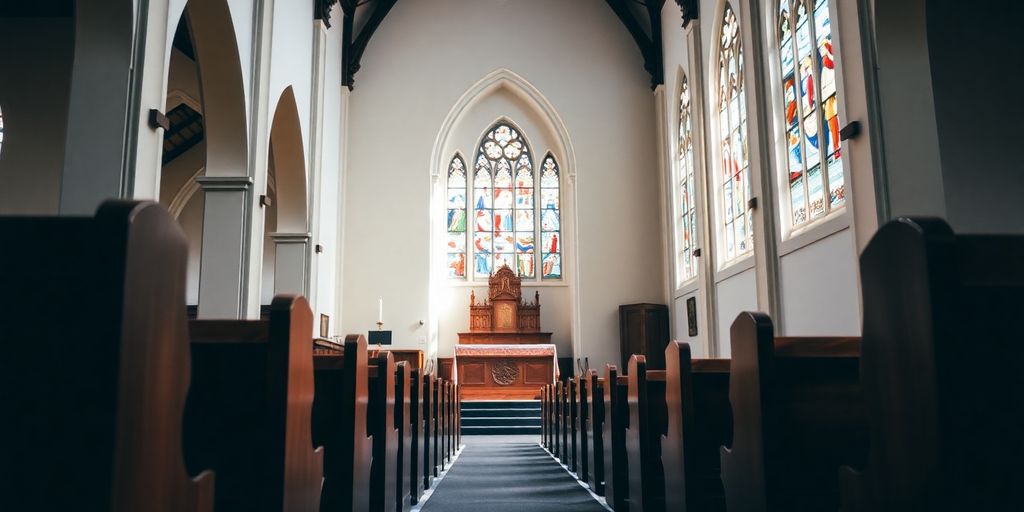
A church is more than just a building; it's a focal point for community and spiritual life. The way it looks and feels has a big impact on everyone who walks through the doors. Regular, thorough cleaning isn't just about tidiness; it's about showing respect for the space and the people who use it. A clean and well-maintained church creates a welcoming and inspiring atmosphere.
Enhancing Aesthetic Value
Think about it: dust, dirt, and grime build up over time, dulling the beauty of everything from stained glass to wooden pews. Regular cleaning brightens the space, making colors more vibrant and surfaces gleam. It's like giving the church a facelift, restoring its original beauty and making it more inviting. It's not just about appearances; it's about showing that the church is cared for and valued.
Creating a Peaceful Environment
A clean space is a peaceful space. Clutter and dirt can be distracting, making it harder for people to focus on worship and reflection. When the church is clean and organized, it creates a sense of calm and tranquility. This allows people to relax, connect with their faith, and feel more at peace. It's about creating an environment that supports spiritual growth and well-being.
Revitalizing Community Interaction
When a church looks its best, it sends a message that everyone is welcome. A clean and inviting space encourages people to come together, participate in activities, and build relationships. It shows that the church is a vibrant and active part of the community. Plus, people are more likely to take pride in a space that is well-maintained, leading to increased involvement and a stronger sense of belonging.
A clean church is a reflection of the community's values. It demonstrates a commitment to providing a welcoming and respectful space for worship, fellowship, and service. It's an investment in the spiritual and social well-being of the congregation and the wider community.
Time and Cost Benefits of Professional Church Cleaning
When you're thinking about keeping the church clean, time and money are always big factors. Getting professional cleaning help can really make a difference in how those things are handled. They've got a system that's designed to make the most of what you've got.
Optimized Scheduling and Frequency
How often you need to clean depends on a bunch of stuff, like how big the church is, how many services you have, and how old the building is. Professional cleaners can figure out a cleaning schedule that's just right for your church. This way, you're not cleaning too much or too little, which saves money and helps keep the building in good shape for longer.
Resource Management
Having professional cleaners means you get a whole package of services, from regular cleaning to getting ready for special events. This can take a load off the church staff, so they can focus on other important things. Plus, the pros have the right equipment and know-how to get the job done right.
Long-Term Savings
Using a professional cleaning team can actually save money in the long run. Churches don't have to buy all those expensive cleaning supplies and tools. Plus, you don't have to worry about paying for things like health insurance or worker's comp for a cleaning staff. Professional services can also create a cleaning plan that fits your specific needs and budget, which is way more cost-effective than having your own cleaning crew.
Think about it this way: hiring professionals is like having a specialized team that comes in, does the job efficiently, and then leaves. You're only paying for the service when you need it, and you're avoiding all the extra costs that come with managing your own cleaning staff. It's a smart way to keep the church clean without breaking the bank.
Maintaining Safety and Security During Cleaning
Churches are often home to items of significant monetary and sentimental worth. It's not just about keeping things tidy; it's about making sure nothing gets damaged or goes missing during the cleaning process. Professional cleaning services are trained to handle these situations, but it's still important to be aware of the potential risks and how to minimize them.
Protecting Valuable Artifacts
Many churches have artifacts that are old, fragile, and really important to the church's history and identity. These items need special care, and it's important that the cleaning crew knows how to handle them. This might mean using special cleaning products, avoiding certain areas altogether, or taking extra precautions when moving equipment around. It's a good idea to have a meeting with the cleaning team beforehand to point out these items and explain how they should be treated.
Securing the Premises
Sometimes, cleaning needs to happen when no one else is around – late at night or early in the morning. This means giving the cleaning crew access to the building, which can be a security risk. It's important to have a system in place to make sure the building is secure before and after cleaning. This could involve:
- Checking references and doing background checks on cleaning staff.
- Having a clear protocol for locking and unlocking doors.
- Using security cameras to monitor the cleaning process.
- Setting alarms.
It's also a good idea to limit access to certain areas of the church during cleaning, especially those that contain valuable items or sensitive information. This can help to reduce the risk of theft or damage.
Minimizing Disruption
Cleaning can be disruptive, especially if it's happening during services or other events. It's important to schedule cleaning at times that will minimize disruption to the church's activities. This might mean cleaning early in the morning, late at night, or on days when the church is not in use. Also, clear communication with the cleaning crew about noise levels and areas to avoid during certain times is key. For example:
| Time | Area to Avoid | Reason |
|---|---|---|
| 9:00 AM - 12:00 PM | Sanctuary | Sunday service |
| 6:00 PM - 8:00 PM | Parish Hall | Wednesday night bible study |
| 3:00 PM - 5:00 PM | Nursery | Children's programs |
Hygiene and Health Considerations
Churches are more than just places of worship; they're community hubs. That means lots of people, and unfortunately, lots of germs. Keeping things clean isn't just about appearances; it's about protecting everyone's health. Regular cleaning and sanitizing are super important to prevent the spread of illness.
Addressing High-Touch Surfaces
Think about all the things people touch in a church: doorknobs, pews, hymnals, even the collection plate. These high-touch areas can quickly become germ hotspots. Regular disinfection is key. It's not enough to just wipe them down occasionally; a consistent cleaning schedule is needed. Consider using disinfecting wipes or sprays after each service or event.
Preventing Germ Spread
Beyond just cleaning surfaces, there are other things we can do to minimize germ spread. Hand sanitizer stations are a great idea, especially near entrances and exits. Encouraging people to wash their hands frequently is also helpful. And let's not forget about proper ventilation. Opening windows or using air purifiers can help circulate fresh air and reduce the concentration of airborne germs.
Creating a Safe Environment
Creating a safe environment involves more than just cleaning; it's about creating a culture of hygiene.
It's about making sure everyone feels comfortable and protected. This might mean providing masks for those who want them, or adjusting seating arrangements to allow for more space between people. The goal is to create a welcoming and healthy space where everyone can worship without worry.
Here's a simple checklist to help maintain a safe environment:
- Regularly disinfect high-touch surfaces.
- Provide hand sanitizer stations.
- Encourage frequent hand washing.
- Ensure proper ventilation.
- Consider offering masks and adjusting seating arrangements.
Preserving Sacred and Historic Elements
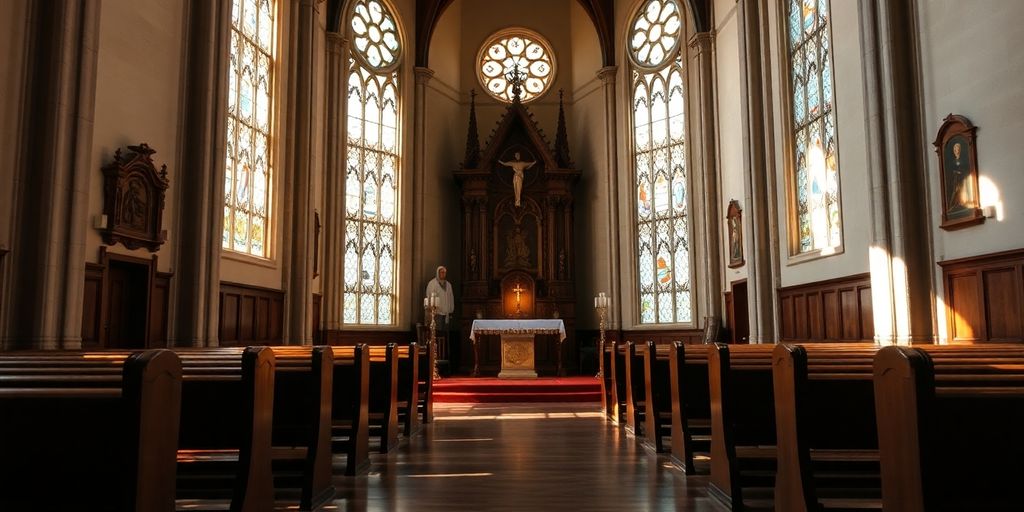
Specialized Care for Artifacts
Churches often house items of immense historical and spiritual value. These artifacts require specialized cleaning techniques to prevent damage and ensure their longevity. Think about the antique Bibles, centuries-old tapestries, or delicate religious icons. Regular dusting with soft cloths and the use of pH-neutral cleaners are often necessary. Professional cleaners understand the unique needs of these items and employ methods that won't cause harm.
Maintaining Architectural Integrity
Church buildings themselves are often historical landmarks, featuring unique architectural details. From intricate carvings to soaring ceilings, these elements need careful attention. Power washing, for example, could damage soft stone or brick. Similarly, using the wrong cleaning products on wood paneling could strip the finish. It's important to use methods that preserve the building's original character.
Preventing Damage to Delicate Features
Many churches contain delicate features like stained-glass windows, ornate woodwork, and fragile plasterwork. These features are susceptible to damage from harsh chemicals, abrasive cleaners, and improper handling. Stained glass, for instance, can fade or crack if cleaned with the wrong products. Woodwork can warp or split if exposed to excessive moisture. Plaster can crumble if scrubbed too vigorously.
It's important to remember that prevention is key. Regular, gentle cleaning is far better than infrequent, aggressive cleaning. By taking a proactive approach, churches can protect their valuable assets and ensure they remain beautiful and inspiring spaces for generations to come.
Here's a simple breakdown of common delicate features and appropriate cleaning methods:
| Feature | Cleaning Method |
|---|---|
| Stained Glass | Soft cloth, mild soap, distilled water |
| Woodwork | Dusting, gentle polishing with wood-safe products |
| Plaster | Soft brush, vacuum with brush attachment |
| Metal Fixtures | Polishing with appropriate metal cleaner |
Enhancing the Congregation’s Experience
Churches are more than just buildings; they're community hubs. It's where people come together. A clean church really does make a difference in how people experience worship and connect with each other. When the space feels cared for, it shows respect for everyone who walks through the doors.
Impact of Cleanliness on Worship
A clean worship space allows congregants to focus on their spiritual experience without distractions. Think about it: dust, clutter, or unpleasant odors can really take away from the sense of reverence. A tidy environment helps create a peaceful atmosphere, setting the stage for meaningful worship. It's about removing barriers so people can connect with something bigger than themselves.
Encouraging Community Engagement
Cleanliness can actually boost community involvement. When the church is well-maintained, it sends a message that the community cares. This can encourage more people to participate in activities and events. It's like inviting people into a home that's been prepared with love and attention.
- Clean fellowship halls encourage people to linger and chat after services.
- Well-kept classrooms create a better learning environment for children and adults.
- Tidy restrooms show consideration for everyone's comfort.
Creating a Welcoming Atmosphere
A clean church is a welcoming church. It's that simple. First impressions matter, and a spotless environment can make visitors feel instantly comfortable and valued. It shows that the church is prepared and ready to receive them. This can be especially important for newcomers who might be feeling a little nervous or unsure.
Here's a quick look at how different areas contribute to the overall welcoming feel:
| Area | Impact |
|---|---|
| Entrance | Sets the tone for the entire visit |
| Sanctuary | Promotes reverence and reflection |
| Common Areas | Encourages interaction and fellowship |
| Restrooms | Shows care for personal comfort |
By paying attention to cleanliness, churches can create a space where everyone feels welcome, valued, and inspired.
Eco-Friendly Cleaning Practices
Sustainable Cleaning Solutions
More and more churches are thinking about their impact on the planet, and that includes how they clean. Using sustainable cleaning solutions is a great way to show care for the environment. Instead of harsh chemicals, these solutions use plant-based or other natural ingredients. They're just as good at getting things clean, but without the worry of harmful stuff going into the air or water. Plus, they're often safer for people with allergies or sensitivities.
Reducing Waste
It's not just about what you use to clean, but also how much you throw away. Eco-friendly cleaning means cutting down on waste. Think about it: reusable cloths instead of paper towels, concentrated cleaners that you dilute yourself (less packaging!), and recycling programs for empty containers. Every little bit helps. Churches can really lead by example here, showing the community how to be more responsible with resources.
Aligning with Church Values
Choosing eco-friendly cleaning isn't just a practical decision; it's a reflection of deeper values. Many churches teach about stewardship—taking care of the Earth and its resources. By using green cleaning practices, a church puts its beliefs into action. It shows that they're serious about protecting the environment for future generations. It's a way to walk the walk, not just talk the talk.
Here's a quick look at some ways to make cleaning more sustainable:
- Use microfiber cloths instead of paper towels.
- Buy cleaning products in bulk to reduce packaging waste.
- Choose concentrated cleaners and dilute them yourself.
- Recycle empty cleaning product containers.
- Opt for biodegradable or compostable cleaning supplies.
Final Thoughts on Caring for Sacred Spaces
In the end, keeping a church clean is about more than just looks. It’s about creating a welcoming place for everyone who walks through the doors. Regular deep cleaning helps protect the church's special artifacts and keeps everything in good shape for years to come. Plus, it makes the space feel peaceful and inviting, which is what you want for worship and community gatherings. By investing in professional cleaning services, churches can focus on what really matters—serving their community and fostering connections. So, whether it’s a Sunday service or a wedding, a clean church helps everyone feel at home.
Frequently Asked Questions
How often should a church be professionally cleaned?
Churches should have professional cleaning done weekly, with deeper cleanings scheduled for special occasions like holidays and weddings.
What makes church cleaning different from regular cleaning?
Church cleaning focuses on preserving sacred items, maintaining large spaces, and ensuring that areas like pews and altars get special attention.
Can volunteers handle church cleaning?
Volunteers can help with light cleaning, but professional cleaners are usually needed for deep cleaning and high-touch areas.
What are high-touch surfaces in a church?
High-touch surfaces include doorknobs, pews, and railings that many people touch, making them important to clean regularly.
How does cleanliness affect the congregation's experience?
A clean church helps worshippers feel comfortable and focused on their spiritual experience, encouraging more people to attend.
What are eco-friendly cleaning practices for churches?
Eco-friendly cleaning uses safe products and reduces waste, helping churches care for the environment while keeping spaces clean.


Comments
Post a Comment