The Five Filthiest Places in Your Office (And How We Handle Them): A Complete Guide to Hidden Germ Hotspots
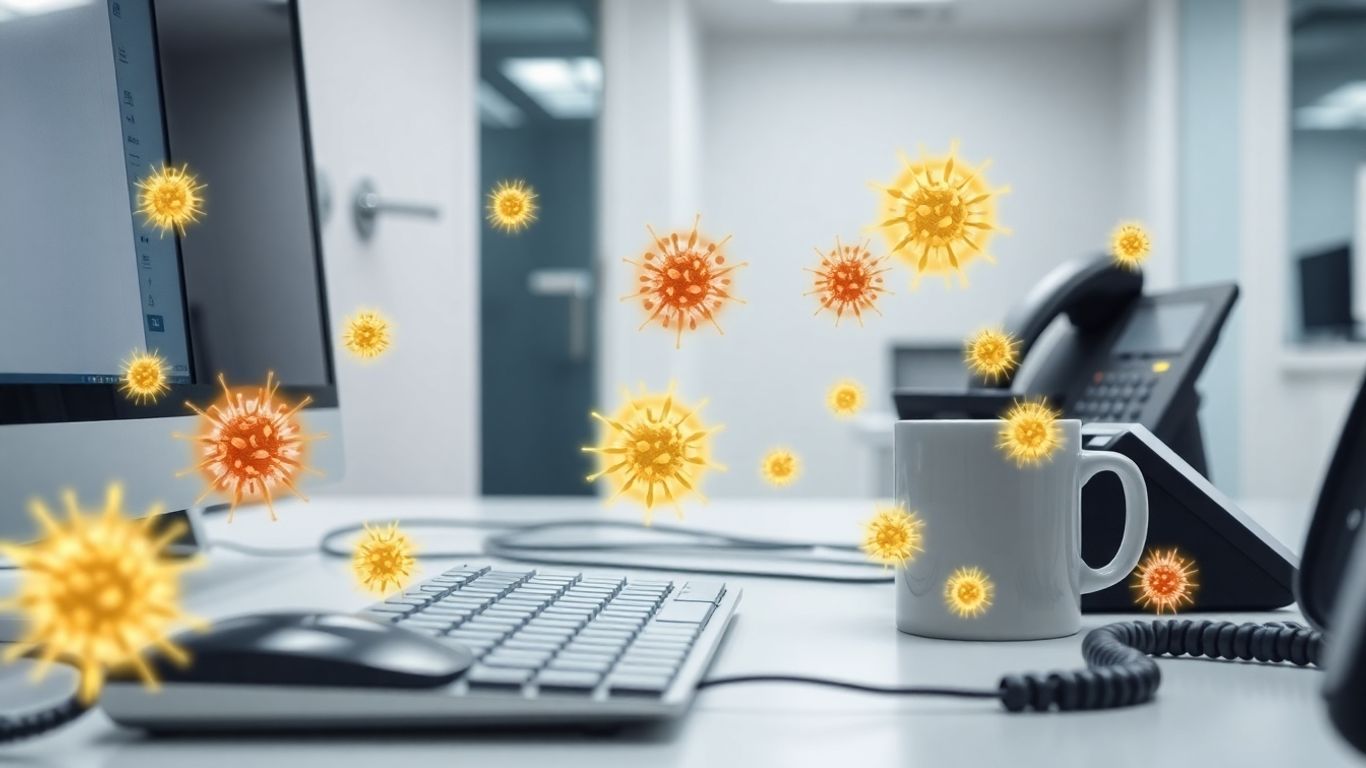
You might think your office looks spotless, but there are some places that are way dirtier than you’d expect. Sure, the trash gets taken out and the floors are vacuumed, but what about the spots nobody ever thinks about? These areas can collect germs and grime fast, and honestly, most people don’t even notice. As folks who clean offices for a living, we’ve seen it all. In this guide, we’ll break down The Five Filthiest Places in Your Office (And How We Handle Them) so you know exactly where those germs are hiding—and what we do to clean them up.
Key Takeaways
- Keyboards and mice are among the dirtiest items in the office because they’re touched all day and rarely cleaned.
- Door handles are touched by everyone, making them a top spot for spreading germs.
- The microwave, especially the handle and inside, can be loaded with old food and bacteria if not cleaned often.
- Desk phones collect germs from hands and faces, and are often forgotten during routine cleaning.
- Coffee pots and their handles can harbor bacteria, especially if they stay damp or aren’t washed out regularly.
Keyboard And Mouse
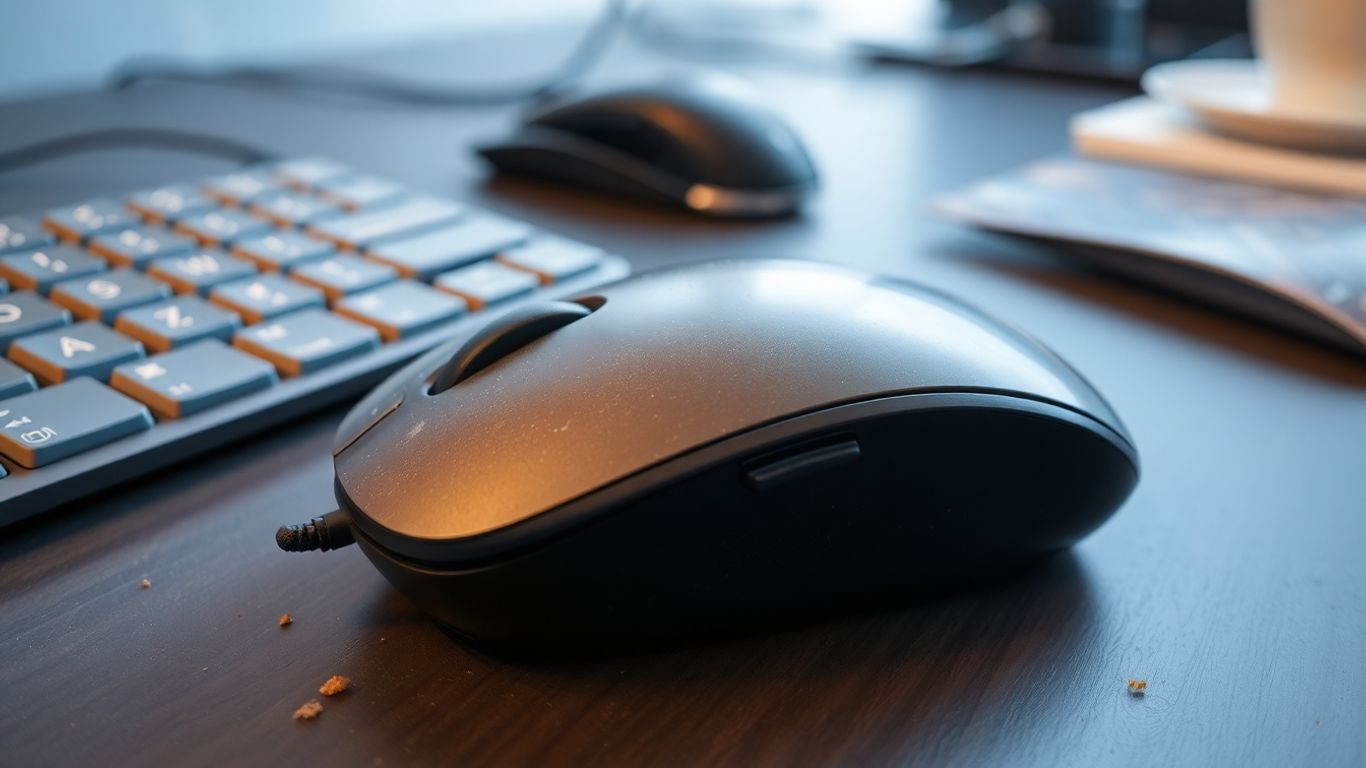
You probably touch your keyboard and mouse more than anything else in your workspace, but when's the last time you actually cleaned them? Most people don't realize just how much bacteria can live on these devices—studies have found they can be dirtier than a toilet seat. Every time you eat lunch at your desk, sneeze mid-email, or rush through a busy workday, germs collect on all those little crevices and buttons. Dust, crumbs, and even skin cells tuck themselves into the tiny spaces between keys and under the mouse, forming a cozy hangout spot for bacteria.
Here are some eye-opening numbers to put things in perspective:
| Item | Average Bacteria Count (CFU/sq in) |
|---|---|
| Keyboard | 3,295 |
| Mouse | 1,676 |
| Office Toilet Seat | 49 |
No surprise—your ‘trusty’ keyboard is a germ magnet.
How do we fix this? There’s a smarter way to keep things fresh:
- Wipe down keyboards and mice at least once a week with disinfectant wipes (alcohol-based ones are best and don’t leave residue).
- Use compressed air to clear out crumbs and dust hiding under the keys and inside the mouse.
- Make sure hands are clean before and after using shared computers.
Taking just a minute each week to give your keyboard and mouse a wipe can make a big difference—not only for your health but for peace of mind in a shared office.
Door Handles
When you pause and think about it, door handles are touched by just about every person in an office. The sheer number of hands on just one door each day turns these handles into a germ superhighway. You rarely see anyone stopping to give them a good wipe during their day, but they still collect everything: bacteria, viruses, food residue, and dirt from everyone passing through.
It gets worse when you consider how many times people unconsciously touch their faces after gripping a doorknob. All those germs can easily make their way from your hand to your mouth or eyes. Here's how we usually handle this risky spot:
- We clean and disinfect door handles at the start and end of every workday, including bathroom and kitchen doors.
- We pay special attention to handles in common areas and conference rooms, since these receive the most traffic.
- Our team uses high-quality disinfectants and cleans from top to bottom to avoid missing those awkward, tricky angles.
Here's a quick look at just how often some of these touch points get handled during a typical office day:
| Location | Approximate Touches/Day |
|---|---|
| Main entrance door | 150 |
| Breakroom/kitchen door | 70 |
| Restroom door | 90 |
Even though a handle looks shiny, invisible germs linger for hours or days—making regular cleaning a non-negotiable habit. We double-check that handles are included whenever we tackle easy-to-miss spots in the office.
Don't underestimate the small stuff. Door handles seem simple, but if you keep them clean, you've already knocked out one of the biggest risk points for germ spread at work.
Microwave
It always surprises folks how quickly the office microwave turns nasty. It’s not just the splattered soup or old coffee rings—every time someone pops open that door, they’re leaving behind a little bit of yesterday’s lunch... and lots of germs. Shared microwaves are true breeding grounds for bacteria, with both the door handle and inside tray collecting all sorts of mess.
Here’s what we see most:
- Food spills, sometimes left for days, get stuck in the crevices.
- Fingerprints (and germs) pile up fast on the handle where everyone grabs.
- The smell—yeah, you know that odd, lingering odor—signals old, hidden residue.
| Microwave Part | Frequency of Cleaning Needed | Reason |
|---|---|---|
| Door Handle | Daily | Multiple hands touch it |
| Inside Tray | After each spill/use | Builds up bacteria |
| Vents & Seals | Weekly | Traps food & moisture |
Cleaning a microwave isn’t tough, but it does need to be regular or else things get gross. We use a combo of white vinegar, water steam, and a good scrub for the inside. Handles get wiped with disinfectant every day. And we won’t judge if your leftovers exploded — but we will clean it up!
If you’re skipping weekly microwave wipe-downs, you’re probably heating meals in a petri dish. A few minutes of effort can save everyone from that mystery odor and the hidden germs.
Desk Phone
Pretty much everyone in an office picks up the desk phone without a second thought, but if you stopped to look closely, you’d probably cringe at all the gunk living there. Between the buttons, the receiver, and the mouthpiece, desk phones are full of germs—maybe even more so than the breakroom sink. Most folks never clean their desk phones, and that’s part of why bacteria and old dust just build up over time. And if you’re the one spending hours each week pressed up against that receiver, you really want to keep it free of grime.
Here are some reasons desk phones rank high on the office filth list:
- They’re used by multiple people, especially at shared workstations and front desks
- Germs from hands, face, and mouth collect fast
- The buttons and cords are rarely wiped down
Here’s a quick table showing how desk phones stack up against other common office hotspots for bacteria:
| Item | Avg. Bacteria Count (per sq in) |
|---|---|
| Desk Phone | 25,000 |
| Keyboard | 3,000 |
| Mouse | 1,500 |
| Door Handle | 900 |
Blockquote:
The best way to keep your office phone from turning into a germ magnet is to make it part of your regular cleaning routine. Don’t forget to get into the crevices of the buttons and wipe down the handset—your immune system will thank you.
With a disinfectant wipe and a few extra seconds each week, you’ll seriously cut down on the ick factor. Maybe just remember next time you make a call: a clean phone is better for everyone.
Coffee Pot
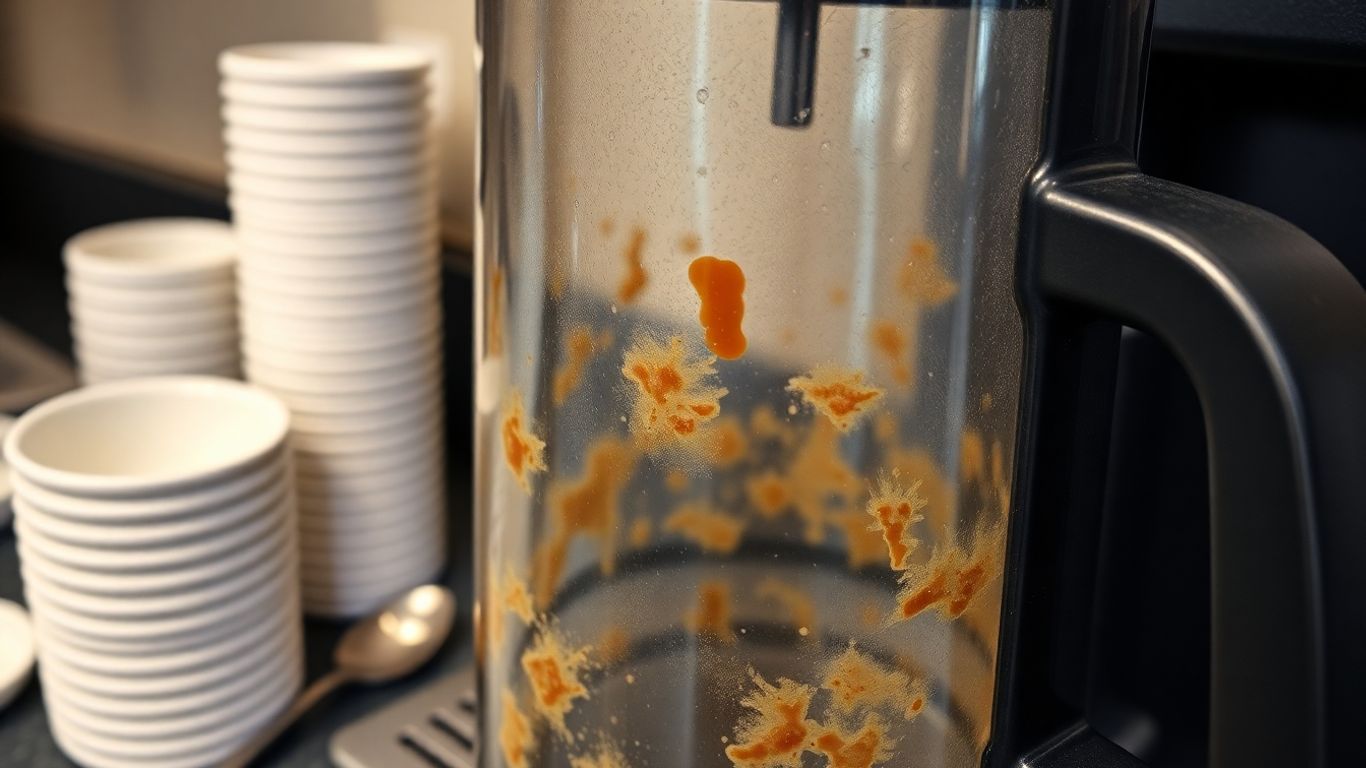
Let’s talk about the office coffee pot for a minute. We all love our morning caffeine kick, but the truth is, the coffee maker and pot are dirtier than most people realize. If you think only the break room fridge is gross, think again—these machines are often packed with bacteria, mold, and yeast, because they’re almost always warm and a bit damp. Many hands touch the handle each day, and yet, cleaning is often forgotten about until something funky starts growing inside.
Here’s a quick breakdown of why coffee pots need extra attention in the office:
- They hold leftover liquid, making a cozy spot for germs.
- The pot and handle are picked up by dozens of people daily.
- Deep cleaning rarely happens—at best it’s a rinse, and sometimes even that gets skipped.
If you leave your coffee pot unwashed, you’re practically inviting germs for a party.
| Cleaning Task | Frequency | What Happens If Ignored |
|---|---|---|
| Emptying & rinsing | Daily | Coffee residue, bacteria |
| Deep cleaning w/soap | Weekly | Mold inside, musty taste |
| Handle disinfecting | Daily | Germs spread by touch |
It might seem small, but getting into a habit with the coffee pot can cut down everyone’s risk of getting sick (and keep the next cup tasting fresh). So, grab some soap, pay extra attention to the spout and handle, and don’t forget to give the machine itself a run-through cleaning now and then. You’d be surprised how much gunk you can avoid sharing with your coworkers.
Wrapping Up: Keeping the Office Truly Clean
So, there you have it—the five spots in your office that are dirtier than you probably thought. It’s funny how we all focus on the obvious stuff, like taking out the trash or wiping down desks, but those sneaky places like keyboards, door handles, and even the office fridge can be real troublemakers. Honestly, I used to think a quick vacuum and a spray of air freshener did the trick, but after seeing what hides in those forgotten corners, I’m not so sure anymore. The good news? With a little extra attention and a solid cleaning routine, you can keep germs at bay and make the office a healthier place for everyone. And if it all feels a bit overwhelming, don’t worry—there are pros out there (like us!) who actually enjoy tackling the grime you’d rather not think about. At the end of the day, a clean office isn’t just about looking good—it’s about feeling good, too.
Frequently Asked Questions
Why are keyboards and mice so dirty in the office?
Keyboards and mice are touched all day by different people, and sometimes while eating or sneezing. This makes them perfect places for germs to hide and grow, especially if they aren't cleaned often.
How often should door handles be cleaned?
Door handles should be wiped down with disinfectant at least once a day, since many hands touch them and germs can spread quickly this way.
What's the best way to clean an office microwave?
To clean a microwave, wipe the inside and handles with a disinfectant wipe. For tough stains, heat a bowl of water with lemon juice inside for a few minutes to loosen dirt, then wipe everything down.
Why do desk phones need to be cleaned regularly?
Desk phones collect germs from hands, faces, and even the air. Sharing phones or not cleaning them can spread bacteria, so it's important to wipe them with a disinfectant often.
How can I keep the office coffee pot clean?
Rinse the coffee pot every day and wash it with soap and hot water. Once a week, give it a deeper clean to get rid of any hidden germs or stains.
What can I do to stop germs from spreading in the office?
Wash your hands often, don't touch your face, and use hand sanitizer. Also, clean things that everyone touches, like keyboards, handles, and phones, to help keep germs away.


Comments
Post a Comment