The Science of Sanitation: Expert Cleaning's Role in Stopping Germ Spread in High-Traffic Areas
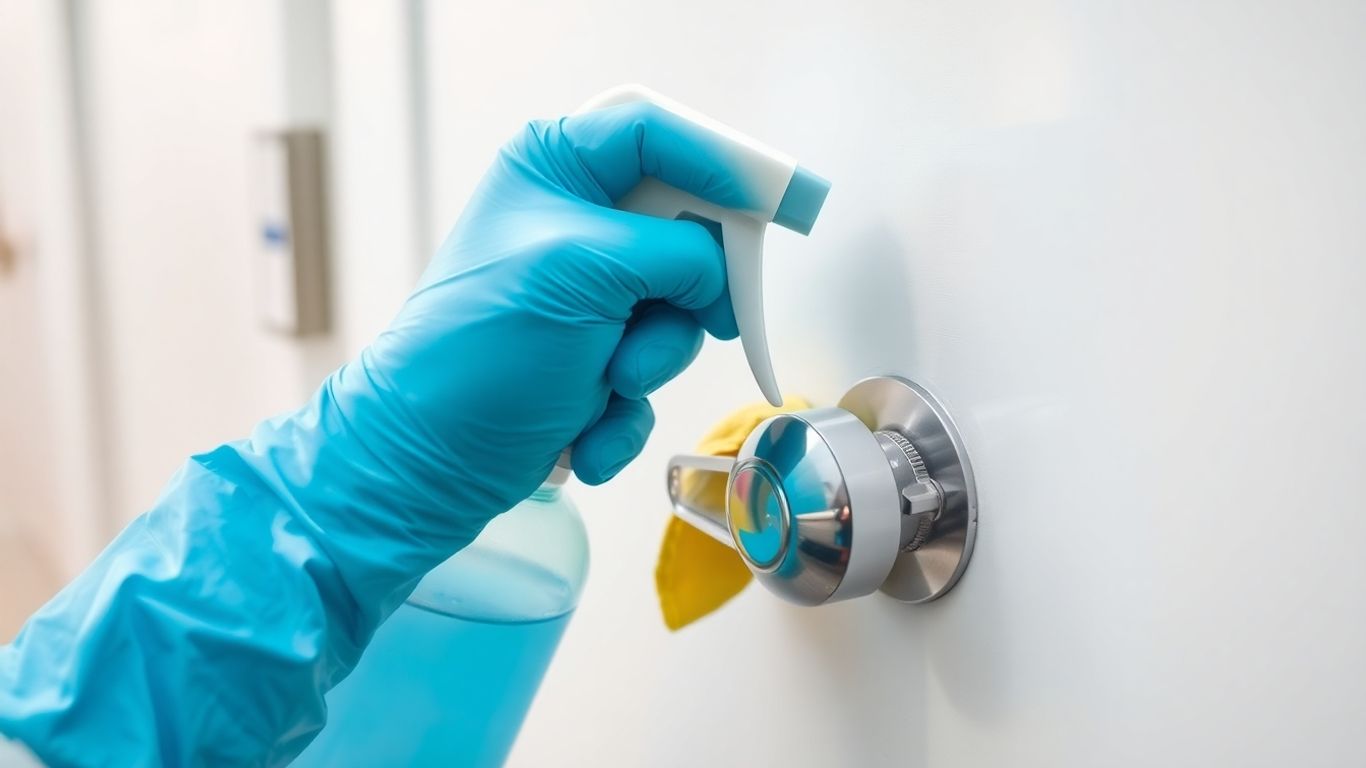
Keeping busy places clean is super important, right? Think about schools, offices, or even hospitals – tons of people are in and out all day. This means germs can spread pretty easily if we're not careful. So, how do we actually stop that from happening? It turns out there's a whole science behind cleaning, and it's not just about making things look good. It's about understanding how germs move and how the right cleaning methods can actually block them. This article is all about that: The Science of Sanitation: How Expert Cleaning Prevents Germ Spread in Busy Spaces.
Key Takeaways
- Mechanical cleaning, like scrubbing, is the main way to get rid of dirt and germs, preparing surfaces for disinfection.
- Detergents are often enough for regular cleaning and can be safer and cheaper than strong disinfectants, which might even make germs tougher.
- New tech like UV lights or steam can help, but they work best alongside regular cleaning, not instead of it, especially when there's dirt around.
- Proper cleaning routines, like changing gloves and washing hands, are vital to stop germs from jumping between surfaces and people.
- Measuring how clean surfaces really are, using things like ATP tests, helps make sure cleaning efforts are actually working to keep spaces safe.
The Foundational Role of Cleaning in Sanitation
Think about it: before you can really kill germs, you have to get rid of the gunk. That's where cleaning comes in. It’s not just about making things look nice; it’s the first, most important step in actually making a surface safe. Without proper cleaning, any disinfectant you use might not work as well as it should. It’s like trying to paint over a dirty wall – the paint won’t stick right, and the dirt is still there underneath.
Mechanical Action: The Core of Effective Cleaning
This is basically the elbow grease part. When you scrub something, you’re using physical force to lift dirt, grime, and yes, even germs, off the surface. This friction is key. It physically removes a lot of the stuff that disinfectants need to reach to do their job. Studies show that this scrubbing action is really what gets the bulk of the problem off the surface, making it ready for whatever comes next.
Overcoming Interference: Ensuring Disinfectant Efficacy
So, why is getting rid of that dirt so important for disinfectants? Well, dirt, organic matter, and even just plain old soil can actually block the disinfectant from reaching the germs. It’s like a shield for the microbes. Plus, some of the stuff in that dirt can even break down the disinfectant itself, making it weaker. So, cleaning first means the disinfectant can actually do its intended job without anything getting in the way.
Cleaning is the necessary first step of any sterilization or disinfection process. Cleaning is a form of decontamination that renders the environmental surface safe to handle or use by removing organic matters, salts, and visible soils, all of which interfere with microbial inactivation.
Preventing Biofilm Buildup Through Regular Cleaning
This is a bit more of a long-term thing. If you don't clean regularly, germs can start to form these sticky communities called biofilms. They create a protective layer, almost like a slime, that makes them super hard to kill. Regular cleaning, especially with detergents, helps stop these biofilms from forming in the first place. It’s much easier to prevent them than to try and get rid of them once they’ve taken hold. Think of it like weeding a garden – it’s easier to pull out small weeds than to deal with a whole patch of them that have gone to seed.
Detergents Versus Disinfectants: A Scientific Approach
When we talk about keeping high-traffic areas clean, especially places like hospitals or busy offices, it's easy to get confused between cleaning and disinfecting. They sound similar, but they're actually quite different, and understanding that difference is key to stopping germs in their tracks. Think of it this way: cleaning is like washing your hands with soap and water, while disinfecting is like using hand sanitizer. Both are important, but they do different jobs.
The Impact of Detergent Cleaning on Pathogen Persistence
So, what does plain old detergent cleaning actually do to germs? It turns out, it does more than just make things look shiny. Studies have shown that when you use a detergent and some elbow grease – that's the mechanical action part – you can actually remove a lot of germs. In some cases, this removal effect can last longer than just spraying a disinfectant. For instance, one study found that surfaces cleaned with detergent actually kept Staphylococcus aureus and MRSA away for a longer period compared to surfaces treated with a disinfectant. This is pretty interesting because it suggests that good old-fashioned cleaning might be a really solid first step, and maybe even enough for some situations.
Cost-Effectiveness and Environmental Considerations
Let's be real, budgets matter. Disinfectants can be pricey, and some of them aren't exactly kind to the environment or our health. Using detergents for routine cleaning is often more budget-friendly. Plus, there's a growing concern that overusing strong disinfectants might actually lead to germs becoming resistant to them over time. It's like constantly bombarding bacteria with the same weapon; eventually, they might figure out how to fight it off. Detergents, on the other hand, are generally less harsh and don't seem to have this resistance-building effect. So, opting for detergents when appropriate can save money and potentially reduce health and environmental risks.
Understanding the Distinction Between Cleaning and Disinfection
This is where it gets really important. Cleaning, at its core, is about physically removing dirt, grime, and organic matter from surfaces. This is usually done with detergents and some kind of scrubbing or wiping action. Disinfection, however, is about killing germs. Disinfectants are chemicals designed to kill bacteria, viruses, and other microbes. The catch is, disinfectants work best when they can actually reach the germs. If a surface is covered in dirt or gunk, the disinfectant can't get to the microbes hiding underneath. That's why cleaning is always the necessary first step before disinfecting. You have to remove the interference first so the disinfectant can do its job properly. It's a two-step process for a reason.
The physical act of cleaning, using friction and detergents, is incredibly effective at removing a significant number of microorganisms. This mechanical removal is the foundation upon which disinfection can then build, ensuring that germ-killing agents have direct contact with any remaining pathogens.
Advanced Technologies Complementing Manual Cleaning
While good old-fashioned elbow grease and microfiber cloths get a lot done, the world of cleaning is always looking for ways to make things better, faster, and more thorough. This is where new technologies come into play, aiming to boost what manual cleaning can achieve, especially in busy places where germs love to hang out. But it's not always a simple swap; these tools have their own quirks.
Limitations of Touch-Free Technologies with Organic Loads
Touch-free cleaning systems, like UV light or automated sprayers, sound pretty futuristic, right? They can be great for certain jobs, especially in spaces that need a deep clean after everyone's gone home. However, they really struggle when there's a lot of visible dirt or gunk on surfaces. Think spilled drinks, food crumbs, or just general grime. These organic materials can actually block the disinfecting agents, whether it's UV light or a chemical spray, from reaching the germs hiding underneath. So, while they might look high-tech, they can't replace the basic step of wiping away the mess first. If you don't clear the deck, these fancy systems just won't work as well as they're supposed to.
Steam Cleaning: A Powerful Disinfection Method
Steam cleaning is a bit of a powerhouse. It uses hot steam to kill germs. The heat itself is a big part of what makes it effective. It can get into nooks and crannies that might be missed by other methods. Plus, it doesn't rely on chemicals, which is a bonus for people sensitive to them or for environments where chemicals are a concern. It's a good option for sanitizing surfaces and can be quite effective when used correctly. However, it's important to remember that steam is hot and can be a safety risk if not handled properly. It's also best used when a space is empty, much like other advanced methods.
Evaluating New Technologies Against Standard Practices
When we look at new cleaning gadgets and methods, it's easy to get excited. But we have to be realistic. How do they stack up against what we already know works? For instance, studies have shown that simple friction, like scrubbing with a good cloth, is really key to removing germs. New tech needs to prove it can do at least as well as, if not better than, standard cleaning routines. We need to consider things like:
- Effectiveness: Does it actually kill the germs as advertised, even with some dirt present?
- Efficiency: Is it faster or easier than manual cleaning, or does it just add complexity?
- Cost: Is the investment in new equipment worth the potential benefits?
- Safety: Are there any new risks associated with using the technology?
It's about finding tools that genuinely improve hygiene without creating new problems or costing a fortune. Sometimes, the old ways, done well, are still the best.
Mitigating Cross-Contamination Risks in High-Traffic Areas
It's easy to think that just wiping surfaces down is enough, but in busy places like hospitals or busy offices, germs can hitch a ride on cleaning tools and spread around. This is called cross-contamination, and it's a big deal when it comes to stopping sickness from spreading. Think about it: if you use the same cloth to clean a toilet and then a sink, you're just moving germs from one spot to another. We need smarter ways to clean to avoid this.
Janitorial Protocols for Preventing Germ Spread
To really get a handle on cross-contamination, cleaning staff need clear rules to follow. It’s not just about cleaning; it’s about cleaning in a way that doesn't create new problems. Here are some basic steps that make a big difference:
- Color-coding is key: Assign different colored cloths, mops, and buckets to different areas. For example, use red for restrooms, green for food areas, blue for general offices, and yellow for high-risk sanitary zones. This visual cue helps prevent using the wrong tool in the wrong place.
- Separate your tools: Even with color-coding, make sure cleaning tools for different zones are stored separately. If your red-coded restroom mop touches your blue-coded office mop in the supply closet, you've already messed up the system.
- Clean from top to bottom: Start with higher surfaces and work your way down. This way, dirt and germs fall onto areas that haven't been cleaned yet, rather than onto freshly cleaned surfaces.
The goal is to create a system where the tools and the process actively prevent germ transfer, not accidentally cause it.
The Critical Importance of Glove Management
Gloves are a janitor's first line of defense, but they can also be a source of contamination if not used correctly. It's not enough to just wear gloves; you have to manage them properly.
- Change gloves often: Don't wear the same pair of gloves for an entire shift or for cleaning multiple different areas. Change them after cleaning a high-risk area like a restroom, or if they become visibly soiled or torn.
- Proper removal technique: Learn how to take gloves off without touching the outside of the glove with your bare skin. This usually involves peeling them off from the cuff downwards.
- Hand hygiene after gloves: Always wash your hands thoroughly with soap and water or use an alcohol-based hand sanitizer immediately after removing gloves. This is a vital step to remove any germs that might have gotten past the gloves.
Hand Hygiene as a Final Barrier
Even with the best cleaning protocols and glove use, hand hygiene remains the ultimate safeguard against germ spread. It’s the last step in protecting yourself and others.
- Frequent washing: Wash hands regularly, especially after cleaning tasks, before eating, and after using the restroom.
- Proper technique: Use soap and water, lather for at least 20 seconds, rinse, and dry thoroughly. Hand sanitizer is a good alternative when soap and water aren't available, but it's not a replacement for washing.
- Awareness is key: Be mindful of frequently touched surfaces like doorknobs, light switches, and shared equipment. These are common places where germs linger, making hand hygiene even more important after contact.
Assessing Cleaning Quality in Busy Environments
So, how do we actually know if all that cleaning in busy places like hospitals or busy offices is actually working? Visual checks are okay, but they don't tell the whole story. We need better ways to measure if we're really stopping germs from spreading.
Measuring Cleaning Effectiveness with ATP Bioluminescence
Think of ATP (adenosine triphosphate) as the energy molecule found in all living cells, including bacteria and viruses. When cleaning happens, ATP is left behind on surfaces, even if you can't see it. ATP bioluminescence testing uses a special swab to pick up any remaining ATP. Then, a chemical reaction makes it glow. The brighter the glow, the more ATP, and the less clean the surface is. It gives us a number we can track over time.
Here's a quick look at what the numbers might mean:
| Reading (RLU) | Surface Condition |
|---|---|
| 0-10 | Excellent |
| 11-30 | Good |
| 31-50 | Fair |
| 50+ | Poor |
This method is great because it gives us objective data. We can see trends, identify problem areas, and give cleaning staff clear feedback. It's a big step up from just looking at a surface and guessing.
The Challenge of Evaluating Cleaning Compliance
Even with tools like ATP testing, making sure cleaning staff are actually following the rules is tough. People get busy, shortcuts happen, and sometimes the sheer volume of work means things get missed. Plus, cleaning is hard work, and the pay isn't always great, which can lead to staff leaving. We need to keep training and reminding everyone why this is so important.
- Consistent Training: Regular refreshers on proper techniques and the 'why' behind them.
- Direct Observation: Spot checks to see practices in action.
- Feedback Loops: Open communication about what's working and what's not.
It's a constant effort to keep standards high, especially when staff turnover is common.
Linking Cleaning Practices to Patient Outcomes
Ultimately, the goal of all this cleaning is to keep people safe, especially in places like hospitals. When cleaning is done well, we see fewer infections. Studies have shown that when cleaning protocols are followed, and surfaces are genuinely clean, the spread of harmful germs goes down. This means fewer sick days, shorter hospital stays, and better health for everyone.
We need to move beyond just making surfaces look clean. The real measure of success is a reduction in the transmission of pathogens, which directly impacts the health and safety of the people using these high-traffic environments.
The Evolving Landscape of Surface Hygiene
It feels like every day there's something new when it comes to keeping surfaces clean, especially in places where lots of people are coming and going. We're not just talking about wiping things down anymore. The science behind surface hygiene is really changing, and it's pretty interesting to see what's out there now compared to even a few years ago.
Antimicrobial Surfaces: Potential and Limitations
So, what exactly are antimicrobial surfaces? Think of them as surfaces that have something built into them to help kill germs. This could be a special coating or even the material itself. The idea is that these surfaces could help stop germs from sticking around and spreading, even between cleanings. It's like a little extra help to keep things hygienic without having to constantly scrub. However, it's not a magic bullet. These surfaces still need to be cleaned properly, and sometimes the stuff that makes them antimicrobial can wear off or get covered up by dirt and grime. Plus, we need to make sure they actually work as advertised and don't cause any other problems.
Durability and Efficacy of Novel Surface Treatments
When we look at new ways to treat surfaces, like those special coatings, we really need to ask how long they last and if they actually do what they're supposed to. It's one thing to say a surface can kill germs, but it's another to prove it keeps working over time, especially with all the wear and tear in busy places. We've seen some treatments that seem great at first but then fade or get damaged easily. It's a balancing act between finding something that's effective and something that's tough enough for everyday use. We need to be sure these new treatments are really making a difference in reducing germ spread.
Establishing Scientific Standards for New Technologies
Because there are so many new ideas popping up, it's becoming really important to have clear rules or standards for how we test them. How do we know if a new antimicrobial surface is truly better than just good old-fashioned cleaning? We need ways to measure their effectiveness and safety that everyone can agree on. This way, we can make smart choices about which technologies to adopt and be confident they're helping us stay healthier. Without these standards, it's hard to tell what's just hype and what's genuinely useful for stopping germs.
The goal is to find solutions that work reliably and safely, complementing, not replacing, the basic cleaning practices we already know are important.
Wrapping Up: Keeping Things Clean Matters
So, when you think about keeping busy places like schools or hospitals clean, it's not just about making things look nice. It's really about stopping germs from spreading around. We've seen that just wiping things down with soap and water, that physical scrubbing action, does a lot to get rid of germs and dirt. Disinfectants are important too, but they work best when the surface is already clean. Trying to use fancy new gadgets is fine, but they usually can't replace the basics of good old-fashioned cleaning. And remember, even the people doing the cleaning need to be careful not to spread germs themselves, like by changing gloves. It all adds up to making sure these high-traffic spots are as safe as they can be for everyone.
Frequently Asked Questions
Why is cleaning so important before disinfecting?
Think of cleaning like washing your hands before you put on a bandage. You need to get rid of the dirt and germs first! Cleaning removes gunk, grime, and other stuff that can hide germs. This way, the disinfectant can actually reach and kill the germs, instead of just sitting on top of the dirt.
Are regular cleaning soaps (detergents) as good as strong disinfectants?
Often, just using a good cleaner with some scrubbing is enough to get rid of most germs. While disinfectants kill germs, using them all the time might make some germs stronger or resistant. Plus, plain cleaners are usually cheaper and better for the environment. It's like using soap and water to wash your hands versus using a strong chemical – soap and water usually do the job for everyday dirt.
Can new 'touch-free' cleaning gadgets replace regular cleaning?
These new gadgets, like UV lights or special sprays, can help kill germs, but they aren't perfect. They don't work as well if there's still a lot of dirt or sticky stuff on the surface. It's best to use them along with regular cleaning, not instead of it. Imagine trying to clean a messy room with just a laser pointer – it won't get all the dust bunnies!
How can we stop germs from spreading from one place to another in busy areas?
It's all about being careful! Cleaning staff need to follow rules, like changing gloves after cleaning dirty areas or moving to a new building. They should also wash their hands often. This stops germs from hitching a ride on cleaning tools or gloves and spreading to new spots.
How do we know if cleaning was actually done well?
Just looking at a surface doesn't tell the whole story. Scientists use special tests, like one that checks for a substance called ATP (found in all living things), to see how much germy stuff is left. This helps make sure that cleaning is really working to keep places safe.
What are 'antimicrobial surfaces' and do they really work?
These are surfaces treated to kill germs, like ones with copper or special coatings. They might help a little, but we don't have enough proof yet to say they're a magic solution. We need more research to know how well they work over time, if they're safe, and if they're worth the cost compared to good old-fashioned cleaning.


Comments
Post a Comment