Beyond the Desk: Uncovering Hidden Spots in Your Office That Need Deep Cleaning
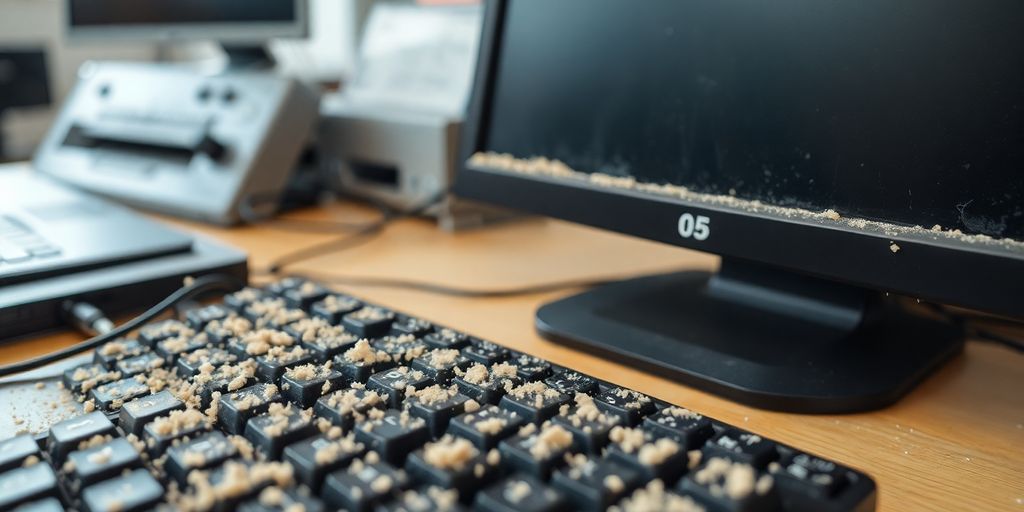
We all know the usual cleaning routine for an office: wipe down the desks, vacuum the floors, and empty the trash. But what about those spots we tend to forget? You know, the places where dust bunnies gather and grime builds up without us even noticing. These often-missed areas can actually impact the air quality and overall hygiene of your workspace. Let's talk about some of the hidden spots in your office that need deep cleaning.
Key Takeaways
- Areas under and behind office furniture are prime spots for dust and pest accumulation, affecting air quality.
- High-up locations like ceiling vents, light fixtures, and upper ledges collect significant dust and grime.
- Workstation details such as keyboards, cubicle walls, and drawers harbor hidden dirt and germs.
- Frequently touched technology and shared devices require regular sanitization to prevent germ spread.
- Often overlooked kitchen appliances like refrigerators and microwaves, along with cabinet crevices, need thorough cleaning.
Unseen Accumulations Beneath Office Furniture
Most people wouldn’t dream of skipping vacuuming the carpet or wiping down their desks, but the spaces behind and beneath large office furniture like filing cabinets, desks, and bookshelves are often neglected. These out-of-sight areas collect layers of dust, cobwebs, and debris over time. Worse, if food is ever consumed at desks—which is common in most offices—crumbs can fall and attract pests such as ants, roaches, or even mice. Dust buildup under heavy furniture doesn’t just look bad; it can circulate through your HVAC system, degrading indoor air quality. Employees with allergies or asthma may experience worsening symptoms. Furthermore, accumulated grime in these hidden zones can even cause furniture to deteriorate faster.
The Dust Bunnies Under Desks and Cabinets
Think about the last time you really got down and looked under your desk or behind that filing cabinet. It’s probably not a pretty sight. Dust bunnies, stray paper clips, forgotten snacks, and all sorts of other gunk tend to gather in these low-traffic, out-of-sight zones. This isn't just about aesthetics; this accumulated debris can become a breeding ground for dust mites and other allergens, which can then get kicked up into the air and affect anyone with sensitivities.
Pest Prevention Underneath Workstations
When crumbs and spills happen at desks, they often end up under furniture. This is a major draw for pests like ants, cockroaches, and even rodents. These critters are looking for easy food sources, and the hidden areas under desks and cabinets are perfect hiding spots for them to set up shop. Keeping these areas clean is a simple but effective way to make your office less appealing to unwanted guests.
Improving Air Quality by Clearing Underneath
Dust and debris aren't just sitting there; they can become airborne. When these particles are disturbed, especially by foot traffic or HVAC systems, they get circulated throughout the office. For people with allergies or respiratory issues, this can mean more sneezing, coughing, and general discomfort. Regularly cleaning under furniture helps remove these potential irritants, contributing to a healthier indoor environment for everyone.
High-Up Havens for Dust and Grime
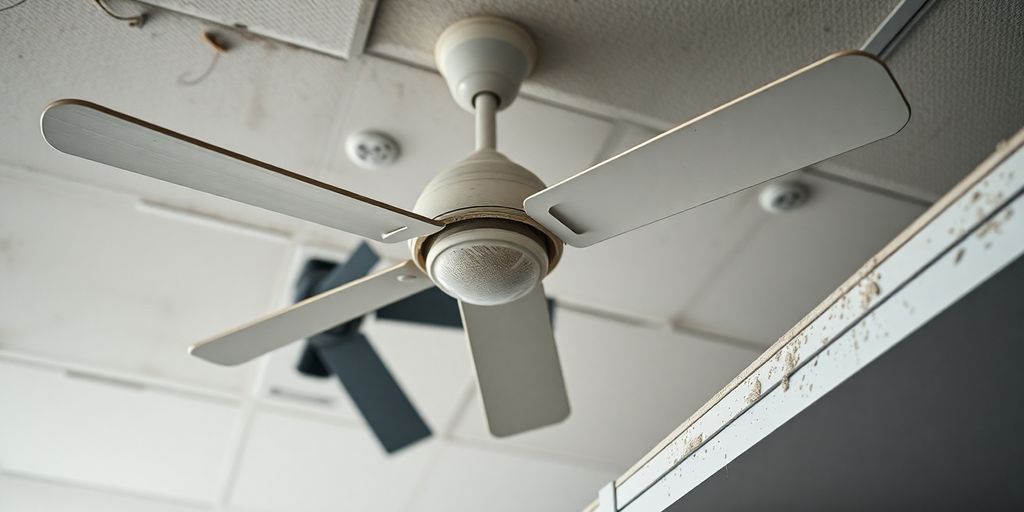
We often forget about the areas that are out of our immediate line of sight, but these high-up spots can become major dust collectors. Think about it: when you're just doing a quick wipe-down, you're probably not reaching for a ladder. This neglect means that dust, dead insects, and all sorts of grime can build up unnoticed.
Ceiling Vents and Air Duct Neglect
Ceiling vents and air ducts are notorious for trapping dust. When these get clogged, they don't just look bad; they can actually circulate that dust and other particles throughout the entire office. This is bad news for anyone with allergies or breathing issues. Plus, a clogged system has to work harder, which can increase energy costs. It's like the office's lungs getting stuffed up.
Dusty Light Fixtures and Covers
Light fixtures, especially those with covers or recessed bulbs, are prime real estate for dust and even tiny dead bugs. This buildup can make your office lights dimmer and cast a less pleasant glow. It's not just about aesthetics; poor lighting can make it harder for people to see, potentially causing eye strain.
Forgotten Ledges and Upper Surfaces
Any ledge, the top of cabinets, or even the tops of door frames can become a forgotten zone for dust. These surfaces are often too high to reach with a standard duster, so dust just accumulates. Over time, this can create a visible layer of grime that's not exactly welcoming. It’s amazing how much dust can settle on these out-of-the-way places.
Cleaning these high areas requires a bit more effort, usually involving a ladder and tools like extendable dusters or vacuums with special attachments. It's a good idea to tackle these spots at least a couple of times a year, or more if your office is particularly dusty.
The Neglected Corners of Workstations
We all know the main desk surface needs a wipe-down, but what about the nooks and crannies that get overlooked? These forgotten spots can become real breeding grounds for germs and dust.
Keyboard and Mouse Grime Traps
Your keyboard and mouse are probably the most touched items at your workstation, and they collect a surprising amount of gunk. Think crumbs from that quick desk snack, dead skin cells, and general dust. It all gets wedged between the keys and under the mouse buttons. Regular cleaning here isn't just about looks; it's about hygiene.
- Daily Quick Clean: Use a disinfecting wipe or a slightly damp cloth (with water or isopropyl alcohol) to wipe down the surfaces of your keyboard and mouse. Make sure any cloth is only slightly damp to avoid damaging electronics.
- Weekly Deep Clean: For keyboards, a can of compressed air is your best friend for blasting out debris from between the keys. You can also use a soft brush or cotton swabs dipped in isopropyl alcohol for stubborn grime.
- Mousepad Care: Don't forget the mousepad! Most fabric ones can be spot-cleaned with a damp cloth, while rubber ones can be wiped down with a disinfectant wipe.
The average desk can harbor hundreds of times more bacteria than a toilet seat, and a big chunk of that comes from these input devices.
Cubicle Walls and Upholstery Dust
Those fabric-covered cubicle walls might seem innocent, but they’re dust magnets. Over time, they can trap airborne particles, allergens, and even dust mites. If you have fabric chairs or desk dividers, the same applies.
- Vacuuming: Regularly vacuuming cubicle walls and upholstery with an appropriate attachment can remove a significant amount of settled dust.
- Spot Cleaning: For visible marks or spills on fabric surfaces, use a fabric-safe cleaner and a clean cloth. Always test in an inconspicuous area first.
- Professional Cleaning: Consider having cubicle walls and upholstery professionally cleaned annually to really tackle deep-seated dirt and allergens.
Desk Drawers and Hidden Compartments
Desk drawers are where things go to disappear, often becoming a jumbled mess of old papers, forgotten pens, and general clutter. This disorganization not only looks bad but can also hide dust and grime. Plus, it can lead to wasted time searching for things.
- Declutter Regularly: Set aside time each month to go through your drawers. Toss out old notes, dried-up pens, and anything you no longer need.
- Organize: Use drawer organizers or small containers to keep items like pens, paper clips, and sticky notes tidy. This makes it easier to see what you have and keeps surfaces cleaner.
- Wipe Down: While the drawers are empty, give the insides a good wipe-down with a damp cloth or disinfectant wipe. Don't forget the drawer runners, which can collect dust.
Keeping these often-ignored parts of your workstation clean makes a surprising difference to both the look and feel of your workspace, not to mention the overall hygiene.
Sanitizing High-Touch Technology
Think about all the things you touch constantly throughout the day at work. Your phone, your keyboard, the buttons on the copier – these are all hotspots for germs. It's easy to forget that these everyday tools can actually be dirtier than a toilet seat. Making a habit of cleaning them regularly can make a big difference in keeping your office healthier.
Keyboard and Mouse Grime Traps
Keyboards and mice are notorious for collecting crumbs, dust, and all sorts of other gunk between the keys and under the buttons. This isn't just gross; it's a breeding ground for bacteria. A quick blast of compressed air can dislodge debris from those tight spots. Then, a wipe-down with a disinfectant cleaner suitable for electronics will do the trick. Don't forget the mousepad and any wrist rests, too – they get just as grimy.
Cubicle Walls and Upholstery Dust
While not strictly technology, the surfaces within your immediate workspace, like cubicle walls and fabric chair upholstery, also accumulate dust and germs from constant contact. Regular dusting and vacuuming of these areas, especially if they are fabric, can help reduce airborne irritants and maintain a cleaner personal space. Consider using a fabric-safe disinfectant spray on upholstery periodically.
Desk Drawers and Hidden Compartments
These are the places where stray paperclips, forgotten snacks, and general desk detritus tend to gather. A cluttered drawer isn't just messy; it can harbor dust and even attract pests. Taking a few minutes to sort through and wipe down the insides of your desk drawers can prevent build-up and keep your immediate workspace more hygienic.
Beyond the Breakroom Countertops
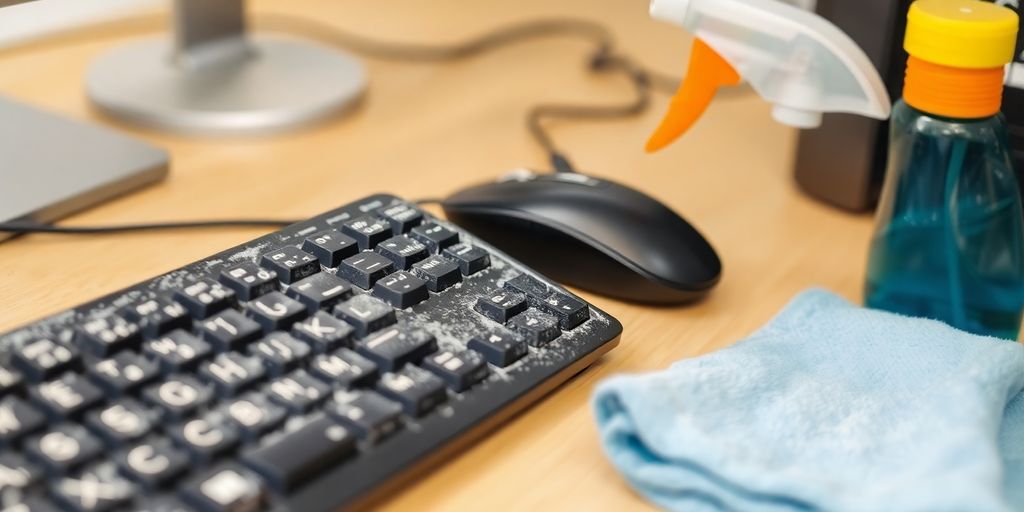
The breakroom. It’s the heart of office socializing, the place for that much-needed coffee, and unfortunately, a prime spot for germs and forgotten food. While countertops might get a quick wipe, there are other areas in these high-traffic zones that often get overlooked, leading to unpleasant smells and potential health hazards.
Inside the Refrigerator's Forgotten Zones
Let's be honest, the office fridge can be a bit of a black hole. Leftover lunches, forgotten yogurts, and that experimental dish from last week can quickly turn into science projects. Regularly clearing out expired or abandoned items is key. Consider implementing a
Baseboards and Wall Crevices
You know, those little strips along the bottom of your walls, the baseboards, they get surprisingly dirty. They're like magnets for dust, pet hair if you have office pets, and honestly, all sorts of little bits of debris that get kicked up. And it's not just about looks; this stuff can actually harbor tiny pests or their eggs, which is definitely not what you want in a workspace. Then there are the walls themselves. Think about it – how often do people really wipe down the walls? Dust settles, fingerprints appear, and sometimes, especially near desks or high-traffic areas, you get scuff marks. It all adds up to a less-than-fresh environment.
Dust and Insect Egg Accumulation on Baseboards
Baseboards are often overlooked, but they're prime real estate for dust bunnies and other unwelcome guests. Because they sit right at the junction of the floor and the wall, they catch everything that drifts down. Regular vacuuming with a brush attachment or a good wipe-down with a damp cloth can make a big difference. Don't forget to get into the corners where dust loves to hide.
Wall Surface Cleaning for a Fresh Look
Giving your walls a good wipe-down can really brighten up a room. Use a mild all-purpose cleaner on a microfiber cloth. For tougher marks, you might need a slightly stronger solution, but always test it in an inconspicuous spot first. It’s amazing how much cleaner a space feels when the walls are free of smudges and dust.
Baseboard Cleaning for Stubborn Spots
Sometimes, just a quick wipe isn't enough for baseboards. If you've got scuffs, dried-on dirt, or anything that looks like it might be more than just dust, you might need to put in a little extra effort. A slightly damp cloth with a bit of cleaner, maybe even a soft-bristled brush for textured baseboards, can help lift those stubborn spots. Getting these areas clean really contributes to the overall tidiness of the office.
Cleaning baseboards and walls might seem like a minor detail, but it’s these often-ignored spots that can significantly impact the perceived cleanliness and healthiness of an office environment. They are silent collectors of grime.
Window Ledges and Tracks
Hard-to-Reach Window Ledges
Window ledges, especially those in offices, can become surprisingly grimy. They're often out of sight, out of mind, collecting dust, dead insects, and all sorts of debris. Think about it – every time a window is opened, or even just from general air circulation, particles settle here. These neglected spots can contribute to poor indoor air quality and harbor allergens. Using a vacuum with a crevice attachment is a good first step to suck up loose stuff. Then, a damp cloth or a specialized cleaning wipe can tackle the stuck-on grime.
Cleaning Window Tracks and Crevices
Window tracks are notorious for trapping dirt, lint, and even tiny bits of metal shavings from the window frames themselves. This gunk can make windows sticky and hard to open or close smoothly. For a thorough clean, try wrapping a disposable wipe or a thin microfiber cloth around something flat and narrow, like a putty knife or even a ruler. This allows you to get into those tight corners and along the edges where dirt really builds up. A quick wipe down here makes a noticeable difference.
Removing Soil and Debris from Ledges
Beyond just dust, window ledges can accumulate soil and other debris, especially if plants are kept nearby or if there's a lot of foot traffic near the windows. This buildup can look unsightly and, over time, can even start to degrade the window frame material if left unchecked. Regular attention to these ledges, perhaps as part of a monthly deep clean, prevents major buildup. Consider a small brush for sweeping debris into a dustpan before wiping the surface clean. It’s a simple step that keeps the whole window area looking much better.
A Cleaner Office is a Better Office
So, we've talked about all those spots you might not think about when you're cleaning the office. It’s easy to just focus on the main areas, but those hidden corners and often-touched items can really make a difference in how clean and healthy your workspace feels. Taking a little extra time to tackle these often-forgotten places isn't just about appearances; it's about creating a better environment for everyone. A little effort goes a long way in keeping things fresh and making sure your office is a place where people can really focus and feel good about being there.
Frequently Asked Questions
How often should an office get a deep clean?
Think about doing a really thorough cleaning of your office every three to four months. If your office is super busy, you might need to do it more often.
What are the most important spots to clean every day?
Daily, you should focus on spots people touch a lot, like door handles, light switches, keyboards, and phones. Wiping these down helps stop germs from spreading.
Is it worth hiring someone to deep clean the office?
Yes, if you can afford it, hiring professionals is a great idea. They have special tools and know-how to get those hard-to-reach places really clean.
How can I encourage my coworkers to help keep the office clean?
You can help by cleaning your own space and making it easy for others to do the same. Keep your desk tidy, and make sure cleaning supplies are available for everyone.
What's the best way to clean computer equipment like keyboards and screens?
For keyboards, use a can of compressed air to blow out dust and crumbs. For computer screens, use special wipes made for electronics that won't leave streaks or damage them.
Why is it important to clean under office furniture?
Cleaning under furniture is important because dust and crumbs can gather there, attracting bugs or pests. It also helps improve the air quality in the office.


Comments
Post a Comment