How Professional Deep Cleaning Ensures a Safe and Healthy Building Environment
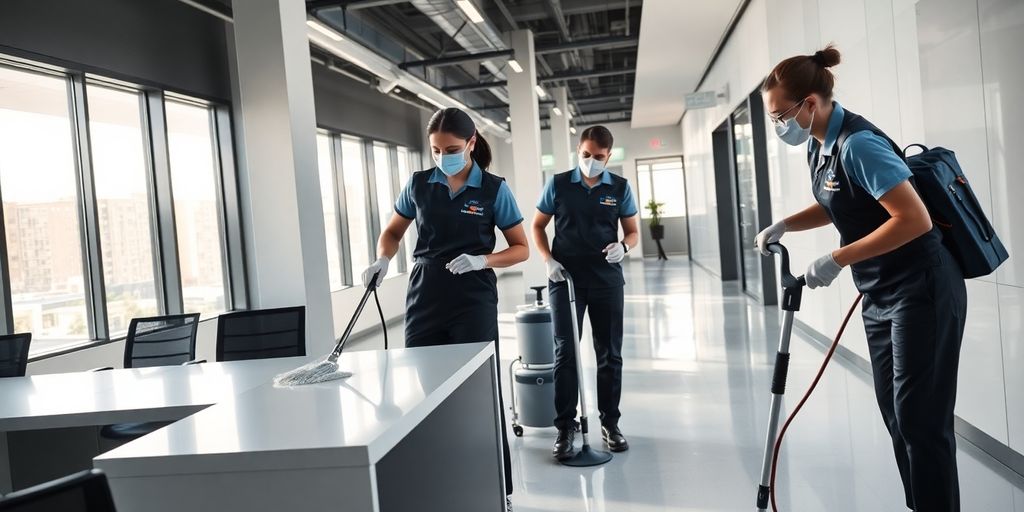
Keeping a building clean is more than just making it look good. It's about making sure everyone inside stays healthy and safe. Regular cleaning helps, but sometimes you need to go deeper. That's where professional deep cleaning comes in. It gets rid of hidden dirt and germs, making the whole place a lot better for everyone. This article will explain why deep cleaning is so important for a healthy building.
Key Takeaways
- Deep cleaning goes way past regular cleaning, getting rid of hidden dirt and germs that can cause problems.
- It makes the air inside better by cutting down on dust, allergens, and things like mold.
- Professional deep cleaning helps stop sickness from spreading by really cleaning and sanitizing places where germs hang out.
- Doing this kind of cleaning can make your building's stuff last longer, like furniture and floors.
- For top results, it's smart to get a deep cleaning San Francisco service on a regular schedule.
Understanding Professional Deep Cleaning
Deep cleaning isn't just a more intense version of your regular cleaning routine; it's a whole different ballgame. It's about getting into the nitty-gritty, tackling the stuff you usually don't see or think about. Think of it as a reset button for your building's cleanliness and health.
Defining Deep Cleaning Services
So, what exactly is deep cleaning? It's more than just wiping surfaces. It involves a detailed, thorough cleaning of areas and items often missed during standard cleaning. This includes things like:
- Scrubbing grout lines in bathrooms and kitchens.
- Cleaning inside appliances (ovens, refrigerators, dishwashers).
- Washing baseboards and door frames.
- Dusting light fixtures and ceiling fans.
- Cleaning windows inside and out.
It's about removing built-up dirt, grime, and allergens that regular cleaning simply can't reach.
Distinguishing from Regular Cleaning
Regular cleaning is what you do to maintain a certain level of tidiness. It's the daily or weekly tasks like sweeping, mopping, dusting visible surfaces, and taking out the trash. Deep cleaning, on the other hand, is more infrequent and intensive. Here's a quick comparison:
| Feature | Regular Cleaning | Deep Cleaning |
|---|---|---|
| Frequency | Daily/Weekly | Monthly/Quarterly/Annually |
| Focus | Visible dirt and surface cleaning | Hidden dirt, grime, and allergens |
| Scope | Limited to easily accessible areas | Comprehensive, including hard-to-reach areas |
| Time Investment | Shorter | Longer |
Regular cleaning keeps things looking presentable, but deep cleaning addresses the underlying issues that can impact health and well-being.
Targeting Hidden Contaminants
The real value of deep cleaning lies in its ability to target hidden contaminants. These are the things you can't see but can definitely affect your health. We're talking about:
- Mold and mildew in damp areas.
- Bacteria and germs in kitchens and bathrooms.
- Dust mites in carpets and upholstery.
- Allergens like pollen and pet dander trapped in various surfaces.
Deep cleaning uses specialized equipment and cleaning solutions to eliminate these contaminants, creating a healthier and safer environment for everyone.
Enhancing Indoor Air Quality
Indoor air quality is super important, right? We spend so much time inside, whether it's at work or at home, that the air we breathe really matters. Regular cleaning helps, sure, but professional deep cleaning? That takes it to a whole new level. It's not just about making things look nice; it's about making the air healthier to breathe. Think of all the dust, allergens, and other stuff floating around that you can't even see. Deep cleaning tackles all that.
Reducing Dust and Allergens
Okay, so dust. It's everywhere. And with dust comes all sorts of allergens – pet dander, pollen, dust mites... the list goes on. Regular dusting helps, but deep cleaning gets into all the nooks and crannies where dust loves to hide. This means a more thorough removal of allergens, which can make a huge difference for people with allergies or asthma. We're talking about vacuuming carpets with HEPA filters, wiping down every surface, and getting rid of all that built-up gunk.
Preventing Mold and Mildew Growth
Mold and mildew? Yuck. Especially in places like bathrooms and kitchens where it's damp. Deep cleaning isn't just about wiping things down; it's about sanitizing and disinfecting to kill mold spores and prevent them from coming back. Think about it: scrubbing grout lines, cleaning under sinks, and making sure everything is dry. It's a proactive approach to keeping those nasty things at bay.
Improving Respiratory Health
Allergens, dust, mold... they can all mess with your respiratory system. Deep cleaning helps to remove these irritants, which can lead to better breathing and fewer respiratory issues. It's not just about feeling better in the short term; it's about long-term health.
Deep cleaning is more than just a surface-level fix. It's an investment in the health and well-being of everyone who uses the building. By targeting the sources of indoor air pollution, it creates a cleaner, healthier environment for all.
Eliminating Harmful Bacteria and Germs
It's easy to overlook the importance of eliminating bacteria and germs. You might think your place is clean just because it looks that way, but looks can be deceiving. Deep cleaning goes beyond surface-level tidiness to target the unseen threats that can make you sick.
Comprehensive Kitchen Sanitization
The kitchen is a prime spot for bacteria to hang out. Think about it: raw meat, veggies, spills... it's a party for germs! Deep cleaning in the kitchen isn't just about wiping down counters. It's about really getting in there and sanitizing everything. We're talking:
- Countertops
- Cutting boards
- Inside the fridge
- The sink (especially the drain!)
This helps prevent food contamination and keeps everyone healthier.
Thorough Bathroom Disinfection
Bathrooms are another germ hotspot, no surprise there. Regular cleaning is good, but deep cleaning takes it to the next level. It's not just a quick wipe-down of the toilet; it's a full-on assault on bacteria. This includes:
- Scrubbing tiles and grout
- Disinfecting toilets, inside and out
- Cleaning showerheads
- Washing shower curtains or doors
Deep cleaning in the bathroom is super important because it helps stop the spread of all sorts of nasty stuff. Think about all the surfaces people touch in there – faucets, doorknobs, light switches. Disinfecting these areas regularly makes a big difference.
Minimizing Illness Spread
Ultimately, the goal of eliminating bacteria and germs is to keep people from getting sick. Deep cleaning helps reduce the risk of colds, flu, and other infections. In a workplace, this can mean fewer sick days and better productivity. In a home, it means a healthier, happier family. Consider these high-touch areas that benefit from frequent disinfection:
- Doorknobs and light switches
- Shared devices (keyboards, mice, phones)
- Handles and railings
- Elevator buttons
Extending the Lifespan of Building Assets
Deep cleaning isn't just about making things look nice; it's also a smart way to protect your investment in your building's stuff. Regular, thorough cleaning can actually make your furniture, equipment, and flooring last longer, saving you money in the long run. Think of it as preventative maintenance for your building's interior.
Protecting Office Furniture and Equipment
Office furniture and equipment can take a beating. Think about all the coffee spills, dust accumulation, and general wear and tear. Deep cleaning tackles these issues head-on. Regular cleaning removes grime that can degrade surfaces and cause mechanical problems. For example, vacuuming chairs and sofas prevents dirt from grinding into the fabric, and dusting computers keeps them from overheating. It's a simple way to extend the life of these important assets.
Preserving Flooring and Carpets
Flooring and carpets are some of the most expensive things to replace in a building. Deep cleaning helps protect them from damage. Regular vacuuming and stain removal prevent dirt and spills from setting in and causing permanent damage. For carpets, professional deep cleaning can remove embedded dirt and allergens that regular vacuuming can't reach. For hard floors, proper cleaning and sealing can prevent scratches and water damage.
Reducing Wear and Tear
Think of deep cleaning as a way to minimize the daily grind on your building's assets. By removing dirt, dust, and grime, you're reducing the abrasive action that causes wear and tear. This is especially important in high-traffic areas. Regular deep cleaning can help prevent premature aging and keep your building looking its best for longer.
Deep cleaning is an investment, not an expense. By taking care of your building's assets, you're not only creating a healthier and more pleasant environment, but you're also saving money on repairs and replacements down the road. It's a win-win situation.
Boosting Occupant Well-being and Productivity
It's easy to overlook how much a clean building impacts the people inside. Think about it – a space free from dust, odors, and visible grime just feels better. And when people feel better, they tend to work better. It's not rocket science, but it's something that often gets put on the back burner. Let's look at how professional deep cleaning can really make a difference.
Creating a Healthier Work Environment
A clean environment directly translates to a healthier one. Regular deep cleaning removes allergens, reduces the spread of germs, and improves air quality. This is especially important in shared spaces where people are in close contact. Think about all the surfaces people touch throughout the day – doorknobs, keyboards, shared equipment. A deep clean tackles these areas, minimizing the risk of illness.
Improving Employee Morale
No one wants to work in a dirty, cluttered space. It's demotivating and can even lead to feelings of stress and anxiety. A clean, well-maintained building sends a message that the company cares about its employees' well-being. It shows that their comfort and health are a priority. This can lead to increased job satisfaction and a more positive work environment overall.
Reducing Absenteeism
When employees are healthier, they're less likely to call in sick. Deep cleaning helps to reduce the spread of illness, which in turn can lead to fewer sick days. This is a win-win for both employees and employers. Employees get to stay healthy and productive, and employers benefit from reduced absenteeism and increased output.
A clean workspace isn't just about appearances; it's about creating a space where people can thrive. When employees feel good, they're more likely to be engaged, productive, and committed to their work. Investing in deep cleaning is an investment in your people, and that's always a smart move.
Here's a quick look at how cleanliness can impact productivity:
| Factor | Impact of Cleanliness | Potential Benefit |
|---|---|---|
| Air Quality | Improved | Reduced respiratory issues, better concentration |
| Germ Reduction | Lowered | Fewer sick days, increased overall health |
| Overall Comfort | Increased | Improved mood, reduced stress, higher job satisfaction |
Ensuring Compliance and Safety Standards
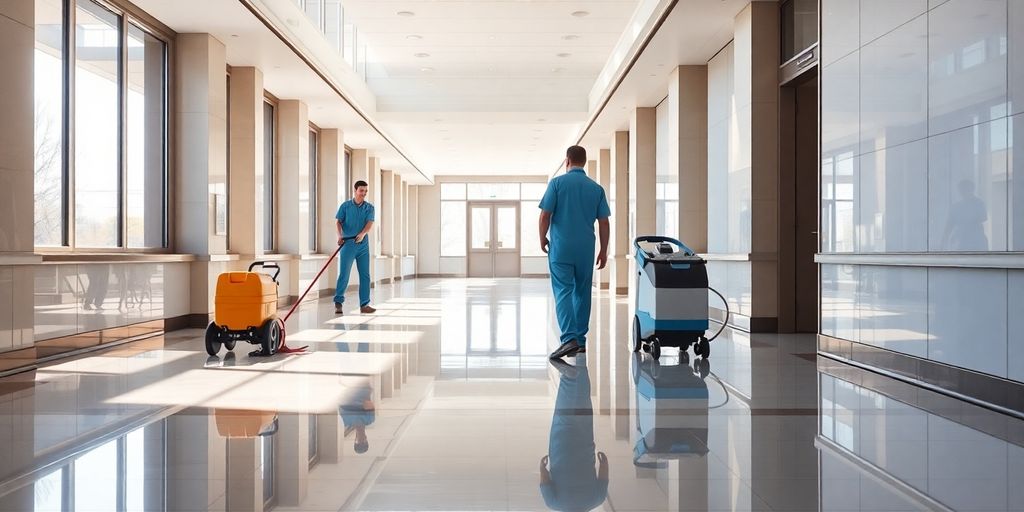
Deep cleaning isn't just about appearances; it's a critical part of meeting health, safety, and legal requirements. A clean building is often a compliant building, and that can save you headaches down the road.
Meeting Health and Safety Regulations
Staying on top of health and safety rules can feel like a never-ending task. Professional deep cleaning helps by addressing many common compliance issues, such as sanitation standards in food prep areas or air quality regulations in offices. It's about more than just ticking boxes; it's about creating a space that protects everyone inside.
Adhering to Industry Standards
Different industries have different cleaning needs. A healthcare facility, for example, has much stricter requirements than a standard office. Deep cleaning services that know your industry can make sure you're not just cleaning, but cleaning correctly according to best practices. This might include using specific disinfectants or following particular cleaning protocols.
Demonstrating Commitment to Safety
Showing you care about safety isn't just good for your reputation; it's good for business. Regular deep cleaning sends a clear message to employees, clients, and visitors that you're serious about their well-being. This can boost morale, improve customer trust, and even attract better talent.
Here's a simple way to think about it:
- A clean space reduces accidents.
- It minimizes the spread of illness.
- It shows you value people's health.
By investing in deep cleaning, you're investing in a safer, healthier, and more compliant building.
Strategic Deep Cleaning for Optimal Results
So, you're on board with deep cleaning. Great! But how do you actually make it work for your building? It's not just about cleaning; it's about cleaning smart. Let's talk strategy.
Recommended Cleaning Frequencies
How often should you deep clean? Well, it depends. A high-traffic office needs more frequent attention than a small, lightly used space. Here's a general guideline:
- High-Traffic Areas (Offices, Retail): Quarterly deep cleaning is a good starting point.
- Medium-Traffic Areas (Smaller Offices, Clinics): Bi-annually might suffice.
- Low-Traffic Areas (Storage Facilities): Annually, or as needed.
Keep in mind that these are just suggestions. You'll need to adjust based on your specific needs and observations. If you notice dirt buildup or increased illness, it's time to increase the frequency.
Customized Cleaning Plans
No two buildings are exactly alike. A cookie-cutter cleaning plan just won't cut it. You need a plan that addresses your specific challenges and priorities. Think about:
- Specific Problem Areas: Are there areas prone to mold or mildew? Do you have a lot of carpet that needs extra attention?
- High-Touch Surfaces: Focus on disinfecting doorknobs, light switches, and other frequently touched areas.
- Industry-Specific Needs: A medical facility will have different requirements than a law office.
It's easy to overlook the importance of a tailored cleaning plan. A generic approach might miss critical areas, leaving your building vulnerable to contaminants and health risks. Take the time to assess your specific needs and create a plan that addresses them effectively.
Partnering with Deep Cleaning San Francisco Experts
Look, you could try to DIY this whole deep cleaning thing. But honestly, it's a lot of work, and it's easy to miss things. That's where professional deep cleaning services come in. They have the equipment, the training, and the experience to get the job done right. Plus, they can help you develop a customized cleaning plan that fits your budget and your needs.
Here's what to look for in a deep cleaning partner:
- Experience: How long have they been in business? Do they have experience cleaning buildings like yours?
- Reputation: Check online reviews and ask for references.
- Certifications: Are they certified in cleaning and disinfection protocols?
Don't just pick the first company you find. Do your research and choose a partner you can trust.
Wrapping It Up
So, there you have it. Keeping a building really clean, I mean, deep clean, isn't just about making it look nice. It's a big deal for keeping everyone inside healthy and safe. When you get rid of all that hidden dirt and germs, you make the air better, stop sickness from spreading, and even help your stuff last longer. It just makes sense to put effort into this kind of cleaning. It helps make sure a building is a good place to be for a long time.
Frequently Asked Questions
What exactly is professional deep cleaning?
Deep cleaning is like a super thorough cleaning. It goes way beyond what you do every day. Think of it as getting into all the hidden spots, like behind appliances, inside cabinets, and scrubbing grout lines. It tackles the dirt and germs you can't normally see, making everything truly spotless and healthy.
How is deep cleaning different from regular cleaning?
Regular cleaning is your daily or weekly tidy-up – sweeping, dusting, wiping surfaces. Deep cleaning, however, is a much more intense process. It gets rid of built-up grime, allergens, and germs that regular cleaning misses. It's about getting into every nook and cranny to make sure the building is as clean as possible.
How does deep cleaning help with indoor air quality?
Deep cleaning significantly improves the air you breathe inside. It removes dust, pet dander, pollen, and other tiny particles that float around and can cause allergies or breathing problems. By getting rid of these, the air becomes much cleaner and healthier for everyone.
Can deep cleaning really stop the spread of sickness?
Absolutely! Deep cleaning focuses on sanitizing and disinfecting high-touch areas, especially in places like kitchens and bathrooms where germs love to hang out. This seriously cuts down on harmful bacteria and viruses, making it much harder for illnesses to spread among people in the building.
Does deep cleaning help my office furniture and equipment last longer?
Yes, it does! When dirt and grime build up on furniture, carpets, and equipment, it can cause them to wear out faster. Deep cleaning removes these damaging elements, helping your building's assets last longer and look better. It's like giving them a longer, healthier life.
How often should a building be deep cleaned?
The right frequency depends on how much traffic your building gets and what kind of business it is. For most places, a professional deep clean every quarter (every three months) is a good idea. However, high-traffic areas might need it more often. A cleaning expert can help you figure out the best plan for your specific building.


Comments
Post a Comment