Deep Cleaning and Employee Health: Creating a Safer Work Environment

Deep cleaning is more than just tidying up; it's a vital part of keeping employees healthy and happy at work. With the rise of health concerns, especially in crowded office spaces, having a clean environment is crucial. In places like San Francisco, where many businesses are bustling, ensuring that workplaces are deep cleaned regularly can make a significant difference in employee well-being and productivity. This article explores why deep cleaning matters, how to implement it effectively, and the benefits it brings to both workers and employers.
Key Takeaways
- Regular deep cleaning reduces health risks in the workplace.
- A clean office boosts employee morale and satisfaction.
- Improving air quality through cleaning helps prevent respiratory issues.
- Professional cleaning services can save businesses money in the long run.
- Sustainable cleaning practices benefit both employee health and the environment.
The Importance Of Deep Cleaning For Employee Health
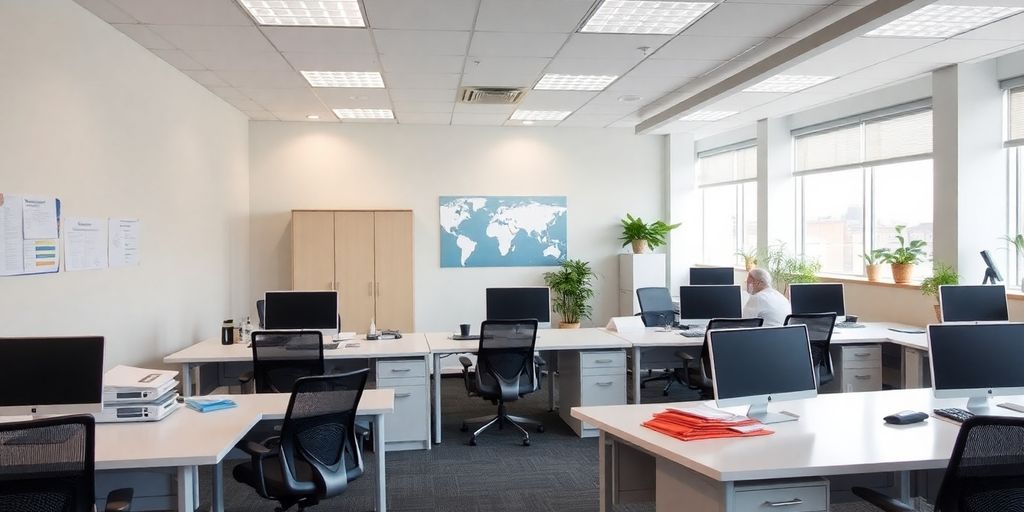
Deep cleaning is more than just making things look nice. It's about keeping people healthy and productive. When a workplace is truly clean, it cuts down on germs, allergens, and other stuff that can make employees sick. This leads to fewer sick days, happier workers, and a better bottom line for the company. It's a win-win.
Understanding Health Risks
Think about all the germs lurking on surfaces in your office. Regular cleaning helps, but deep cleaning gets into the nitty-gritty, reaching places that are often missed. This is super important because it reduces the spread of illnesses. A deep clean can significantly lower the risk of common colds, flu, and other infections that can spread like wildfire through an office.
Impact On Employee Morale
No one wants to work in a dirty environment. A clean workspace shows employees that their health and well-being are valued. This can lead to a boost in morale and a greater sense of job satisfaction. Plus, a clean and organized space can make people feel more relaxed and focused, which is always a good thing.
Connection To Productivity
Sick employees aren't productive employees. When people are constantly calling out sick, it puts a strain on the rest of the team and slows everything down. Deep cleaning helps to reduce the number of sick days, which means more people are at work, getting things done. It's a simple equation: cleaner workplace = healthier employees = higher productivity.
A clean and healthy work environment is not just a perk; it's a necessity. It directly impacts employee health, morale, and productivity. Investing in deep cleaning is an investment in your workforce and the success of your business.
Creating A Comprehensive Cleaning Schedule
It's easy for cleaning to fall by the wayside when everyone's busy, but a solid cleaning schedule is super important for keeping things healthy and productive. It's not just about appearances; it's about stopping germs from spreading and keeping morale up.
Establishing Responsibilities
The first step is figuring out who's in charge of what. Don't just assume someone will take care of it. Make it clear who cleans which areas and when. This could mean assigning specific tasks to different employees or hiring a cleaning service. A clear division of labor prevents confusion and ensures that nothing gets overlooked. For example:
- Offices: Cleaned by individual occupants daily, deep cleaned weekly by cleaning staff.
- Common Areas: Cleaned by cleaning staff daily.
- Bathrooms: Cleaned and disinfected by cleaning staff multiple times daily.
Frequency Of Cleaning Tasks
How often you clean depends on how much traffic an area gets and what it's used for. High-touch surfaces like doorknobs and light switches need more attention than, say, the top shelf of a bookcase. Think about creating a checklist with daily, weekly, and monthly tasks. Here's a simple example:
| Task | Frequency | Responsible Party | Notes |
|---|---|---|---|
| Wipe down desks | Daily | Employees | Use disinfectant wipes |
| Clean bathrooms | Daily | Cleaning Staff | Focus on disinfecting high-touch areas |
| Vacuum common areas | Weekly | Cleaning Staff | |
| Deep clean breakroom | Weekly | Cleaning Staff | Clean appliances, mop floors |
Incorporating Deep Cleaning
Regular cleaning is great for everyday messes, but deep cleaning tackles the stuff you don't see as often. This means things like cleaning carpets, washing windows, and disinfecting less-used areas. Schedule these tasks regularly, maybe quarterly or twice a year, to keep your workplace in top shape.
Think of deep cleaning as a reset button for your workspace. It's a chance to get rid of built-up grime and allergens that can affect employee health and productivity. It's an investment in a healthier, happier workplace.
Enhancing Indoor Air Quality
Indoor air quality is super important. It's not just about comfort; it really affects how people feel and work. When the air is bad, employees can have trouble focusing, and it can even lead to health problems over time. So, making sure the air is clean is a big deal for a healthy and productive workplace.
Sources Of Indoor Pollutants
So, what messes up the air inside? Lots of things! Dust and allergens are big culprits. Then there are chemicals that come from cleaning products, furniture, and even office equipment. Mold can also be a problem, especially if there's moisture. All these things floating around can make people sick or just feel crummy. It's important to know where these pollutants come from so you can tackle them.
Benefits Of Clean Air
Clean air makes a huge difference. People feel better, they're more alert, and they get sick less often. It's easier to focus when you're not dealing with headaches or stuffy noses. Plus, a workplace with good air quality just feels nicer to be in. It shows employees that you care about their health and well-being.
Role Of Professional Cleaning
Professional cleaning services can really help with air quality. They use special equipment and products to get rid of dust, allergens, and other pollutants. They also know how to clean in a way that doesn't just cover up the problem but actually gets rid of it. Plus, they can help you set up a cleaning schedule that keeps the air clean all the time.
Regular, professional cleaning can significantly reduce indoor air pollutants. This leads to fewer sick days, better employee focus, and a more pleasant work environment. It's an investment in the health and productivity of your team.
Implementing Hygiene Practices
Regular Disinfection Protocols
Establishing regular disinfection protocols is super important for keeping the workplace healthy. This means setting up a schedule for cleaning and sanitizing surfaces, especially those that get touched a lot. Think doorknobs, keyboards, and shared equipment. It's not just about wiping things down when they look dirty; it's about proactively killing germs to prevent them from spreading. Using the right cleaning products is also key – make sure they're effective against common viruses and bacteria but also safe for employees to use.
Focus On High-Traffic Areas
High-traffic areas need extra attention. These are the places where lots of people pass through or touch things frequently. We're talking about:
- Reception desks
- Break rooms
- Restrooms
- Elevator buttons
These spots can quickly become breeding grounds for germs. Increase the frequency of cleaning in these areas, and consider using stronger disinfectants. Providing hand sanitizer stations nearby can also help employees take personal responsibility for hygiene.
Employee Education On Hygiene
It's important to educate employees about hygiene. Make sure they understand why it matters and how they can help. This could involve:
- Training sessions on proper handwashing techniques
- Providing information on how germs spread
- Encouraging employees to clean their workspaces regularly
- Putting up posters with hygiene tips
Creating a culture of cleanliness is a team effort. When everyone understands the importance of hygiene and takes steps to maintain it, the workplace becomes a much safer and healthier environment for all.
Benefits Of Professional Cleaning Services
Reduction Of Sick Days
One of the most immediate and noticeable benefits of using a professional cleaning service is a reduction in employee sick days. A cleaner workspace directly translates to fewer germs and allergens, leading to a healthier workforce. When the office is regularly and thoroughly cleaned, the spread of illnesses is minimized, and employees are less likely to call out sick. This, in turn, boosts productivity and reduces the burden on other team members who might have to cover for absent colleagues.
Improved Employee Satisfaction
Beyond just physical health, a clean and organized workspace can significantly improve employee morale and satisfaction. Think about it: nobody wants to work in a dirty, cluttered environment. A clean office shows employees that their well-being is valued, which can lead to increased job satisfaction and a more positive work environment. This can also lead to better employee retention, as people are more likely to stay in a job where they feel comfortable and appreciated.
Cost-Effectiveness Over Time
While hiring a professional cleaning service might seem like an added expense, it can actually be cost-effective in the long run. Consider the costs associated with employee sick days, decreased productivity, and the potential for more serious health issues caused by a dirty work environment. Professional cleaners bring their own equipment and supplies, saving you money on purchasing and maintaining these items. Plus, they can often complete cleaning tasks more efficiently and effectively than in-house staff, freeing up your employees to focus on their core responsibilities.
Investing in professional cleaning services is an investment in your employees' health and well-being, as well as the overall success of your business. It's about creating a workspace where people can thrive, be productive, and feel valued.
Sustainable Cleaning Practices
Eco-Friendly Products
Switching to eco-friendly cleaning products is a big deal. It's not just about being trendy; it's about cutting down on harmful chemicals that can mess with employee health and the environment. Think about it: fewer harsh fumes, less skin irritation, and a smaller carbon footprint. I've been trying to use more natural cleaners at home, and honestly, some of them work just as well as the chemical stuff. Plus, you don't get that overpowering bleach smell!
Waste Reduction Initiatives
Okay, so we're cleaning to make things healthier, but what about all the waste we create while cleaning? It's kind of counterproductive, right? That's where waste reduction comes in.
Here are some ideas:
- Concentrated cleaners: Dilute them yourself to reduce plastic bottle waste.
- Reusable microfiber cloths: Ditch the paper towels.
- Refillable spray bottles: Buy in bulk and refill.
It's about rethinking how we clean and finding ways to minimize our impact. Small changes can add up to a big difference over time.
Long-Term Health Benefits
Sustainable cleaning isn't just a short-term fix; it's an investment in the long-term health of your employees and the planet. By using safer products and reducing waste, you're creating a healthier work environment and contributing to a more sustainable future. It's a win-win, really. Plus, it shows your employees that you care about their well-being and the environment, which can boost morale and productivity. I know I'd feel better working in a place that's committed to sustainability.
Integrating Cleaning With Workplace Wellness
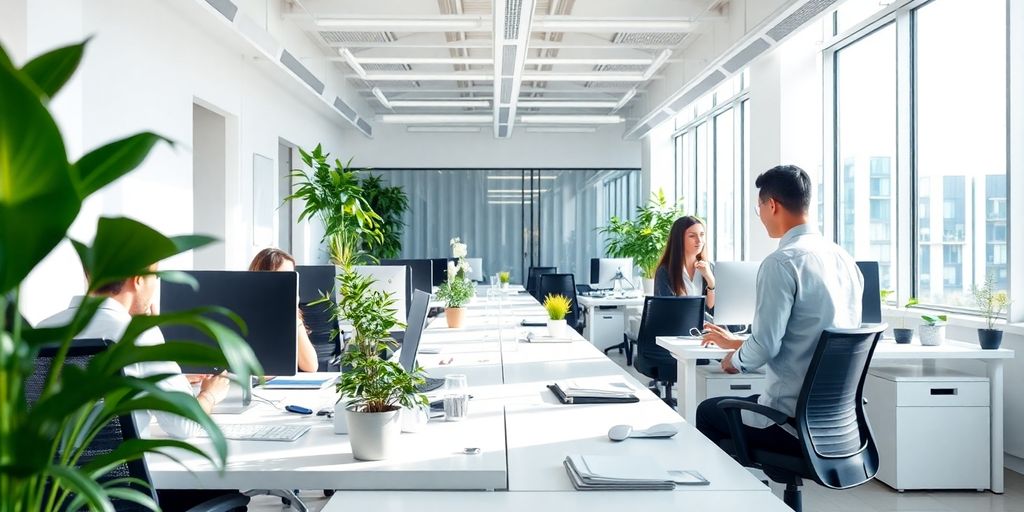
It's easy to think of cleaning as just something that happens after hours, but what if it was actually part of a bigger plan to keep everyone healthy and happy? That's where integrating cleaning with workplace wellness comes in. It's about seeing cleaning not just as a chore, but as a way to support the overall well-being of your team.
Holistic Health Approaches
Think about it: a clean workspace is a healthier workspace. It's not just about appearances; it's about reducing allergens, preventing the spread of germs, and creating an environment where people can actually thrive. This means considering things like air quality, surface cleanliness, and even the types of cleaning products used. It's all connected.
Tailored Cleaning Solutions
One size doesn't fit all when it comes to cleaning. A busy office with lots of foot traffic will have different needs than a quiet, low-traffic environment. That's why tailored cleaning solutions are so important. It's about working with a cleaning service to create a plan that addresses your specific needs and concerns. This might include focusing on high-touch surfaces, using specific types of disinfectants, or adjusting the frequency of cleaning based on your workplace's activity levels.
Promoting A Culture Of Cleanliness
Cleaning shouldn't just be something that happens behind the scenes. It should be part of the company culture. This means encouraging employees to take responsibility for their own spaces, providing them with the tools and resources they need to stay clean, and making it clear that cleanliness is a priority. It's about creating a shared understanding that a clean workplace is a healthy and productive workplace.
By making cleanliness a part of your company's values, you're sending a message that you care about your employees' well-being. This can lead to increased morale, reduced stress, and a more positive work environment overall. It's a win-win for everyone.
Wrapping It Up: A Cleaner Workplace for Healthier Employees
In the end, keeping your workplace clean is more than just a chore; it’s about creating a space where employees feel safe and valued. Regular deep cleaning can cut down on sick days and boost morale, which is a win-win for everyone. Plus, when employees see that their health is a priority, it builds trust and pride in their work environment. So, whether you hire professionals or set up a cleaning schedule yourself, remember that a tidy workplace leads to happier, healthier employees. Let’s make cleanliness a part of your company culture, because a clean space is a happy space.
Frequently Asked Questions
What are the health risks of not cleaning the workplace properly?
Not cleaning the workplace well can spread germs, leading to more sickness and people missing work. It can also cause long-term health issues like breathing problems.
Why should businesses use eco-friendly cleaning products?
Eco-friendly cleaning products are safer and help keep the air clean. They are better for the environment and protect the health of workers and customers.
How does a clean workplace help employees work better?
A clean and tidy workplace can lower stress, make people feel better, and help them focus. When employees are healthier, they take fewer sick days and can work more effectively.
Can cleaning services be customized for different businesses?
Yes! Cleaning services can be adjusted to meet the specific needs of a business, ensuring that all areas are covered.
What are the benefits of having a professional cleaning service?
Professional cleaning services can reduce the number of sick days, improve how happy employees are, and save money over time by preventing health issues.
How can businesses promote cleanliness among employees?
Businesses can encourage cleanliness by providing proper cleaning supplies, educating employees on hygiene, and creating a culture that values a clean work environment.


Comments
Post a Comment